
Istanbul 🇹🇷 | London 🇬🇧 | USA 🇺🇸| Bangkok 🇹🇭


Restore a Full, Fixed Smile in One Day with All-on-4 Dental Implants
All-on-4 dental implants are an advanced full-arch restoration solution designed for patients with missing or failing teeth. Using just four strategically placed implants, this technique supports a complete fixed set of teeth—restoring function, stability, and confidence without the need for individual implants for every tooth.
More Affordable
0
%
Years Of Lasting Results
0
+





Overview and Key Benefits of All-on-4
ll-on-4 dental implants were not developed as a cosmetic trend, nor as a shortcut to a perfect smile. They were created in response to a very real and growing problem: patients who have lost most or all of their teeth and no longer benefit from traditional treatments. For these individuals, replacing teeth one by one is often unrealistic, both medically and emotionally. Bone loss, long-term denture use, chronic infection, and repeated dental failures gradually make conventional solutions ineffective.
All-on-4 implants exist for this moment — the point at which dentistry must stop repairing isolated problems and instead restore the entire system.
At Medico Clinic, All-on-4 is approached as a full-arch rehabilitation procedure, combining surgical precision, prosthetic planning, and long-term biological responsibility. The objective is not simply to place implants, but to give patients back stability, function, and confidence in a way that feels permanent and reliable.
The Long Journey That Often Leads to All-on-4
Very few patients arrive at All-on-4 treatment suddenly. Most have a long dental history marked by repeated fillings, crowns, root canals, extractions, and eventually removable dentures. Each step is often taken with hope, yet over time the cycle becomes exhausting. Teeth continue to fail. Dentures feel unstable. Chewing becomes cautious. Social confidence erodes quietly.
What makes this journey particularly difficult is that patients often blame themselves, assuming the outcome reflects neglect or poor care. In reality, advanced tooth loss is frequently the result of genetics, long-term gum disease, or structural limitations that no amount of maintenance could fully overcome.
All-on-4 is not a failure point. It is a reset point.
Understanding the Medical Concept Behind All-on-4
All-on-4 dental implants are based on a simple but powerful medical principle: instead of replacing each missing tooth individually, four strategically placed implants can support an entire arch of fixed teeth. Two implants are placed vertically in the front, where bone density is usually strongest, while two are angled toward the back to maximize available bone and avoid anatomical structures such as sinuses or nerves.
This angled placement is not a compromise; it is a biomechanical advantage. It allows for strong anchorage even in patients with bone loss, often eliminating the need for extensive bone grafting.
The result is a stable, fixed prosthesis that restores function and appearance in a way removable dentures cannot.
Why Bone Loss Changes Everything
Once teeth are lost, the jawbone begins to resorb. This is not a disease; it is a biological response. Bone exists to support teeth, and when teeth are gone, the body no longer maintains the same bone volume.
This bone loss is what makes traditional implants difficult or impossible for many patients. All-on-4 works within this reality rather than fighting it. By using existing bone intelligently, it offers a solution where others fail.
At Medico Clinic, bone levels are evaluated carefully to ensure implants are placed where long-term stability is achievable.
Table: Why All-on-4 Works When Other Solutions Fail
| Clinical Challenge | Dentures | Individual Implants | All-on-4 |
|---|---|---|---|
| Advanced bone loss | ❌ Unstable | ❌ Often impossible | ✔ Designed for it |
| Multiple missing teeth | ⚠ Limited | ❌ Complex | ✔ Ideal |
| Long treatment timeline | ✔ Short | ❌ Very long | ✔ Efficient |
| Fixed teeth | ❌ | ✔ | ✔ |
| Confidence while eating | ❌ | ✔ | ✔✔ |
This table highlights why All-on-4 is not a luxury, but a medically rational solution.
The Emotional Impact of Living With Unstable Teeth or Dentures
Patients living with dentures often describe constant awareness — fear of movement, clicking sounds, discomfort while eating, and anxiety in social situations. Even well-made dentures rely on suction and muscle control, which cannot replicate the stability of natural teeth.
All-on-4 replaces this uncertainty with fixation. Teeth are anchored to bone, not gums. The psychological shift this creates is profound. Patients often say the most surprising change is not aesthetic, but emotional — the ability to eat, speak, and laugh without thinking.
Surgical Planning: Where Safety and Longevity Are Decided
All-on-4 surgery is not improvised. It is planned in detail long before the day of treatment. Imaging, bite analysis, and prosthetic planning all contribute to determining implant positions, angulation, and load distribution.
This planning ensures that implants are not only placed successfully, but placed correctly — in positions that protect bone, support the prosthesis, and minimize long-term stress.
At Medico Clinic, surgery is guided by prosthetic outcome, not just implant placement.
Tooth Removal and Immediate Stabilization
In many cases, remaining failing teeth are removed on the same day implants are placed. This approach minimizes treatment stages and allows for immediate stabilization.
Temporary fixed teeth are often placed shortly after surgery, giving patients the ability to leave the clinic with a functional smile. This does not mean treatment is complete, but it provides psychological and functional continuity during healing.
Table: Immediate Teeth vs Final Prosthesis (Medical Perspective)
| Aspect | Temporary Fixed Teeth | Final Prosthesis |
|---|---|---|
| Purpose | Healing & adaptation | Long-term function |
| Material | Lightweight | Reinforced |
| Bite load | Controlled | Full |
| Aesthetics | Natural | Refined |
| Duration | Healing phase | Years |
This staged approach protects implants during osseointegration while maintaining quality of life.
Healing and Osseointegration: Why Patience Is Part of Success
After implant placement, the body must integrate the implants into bone through a process called osseointegration. This biological process cannot be rushed. It is during this phase that implants become stable foundations.
Patients are guided carefully through this period with dietary and activity recommendations designed to protect healing without unnecessary restriction.
All-on-4 vs All-on-6: Why Four Implants Are Often Enough
Many patients assume more implants automatically mean better outcomes. In reality, implant number must align with bone quality, bite force, and prosthetic design.
All-on-4 was developed to provide optimal support with minimal invasiveness. In some cases, All-on-6 may be recommended, but All-on-4 remains sufficient and predictable for a large percentage of patients.
The decision is medical, not numerical.
Living With All-on-4 Implants
Once healing is complete and the final prosthesis is placed, All-on-4 implants function like natural teeth. Patients regain chewing efficiency, speech clarity, and facial support that dentures cannot provide.
Daily care becomes straightforward, and routine check-ups ensure long-term success.
Longevity and Long-Term Outlook
When placed and maintained correctly, All-on-4 implants are designed to last many years. Success depends on implant integration, prosthetic quality, and patient care.
At Medico Clinic, longevity is planned from the first consultation, not left to chance.
All-on-4 for International Patients
For international patients, All-on-4 offers a structured, efficient path to full-arch restoration. Treatment timelines are carefully coordinated to balance surgical safety with travel logistics.
Clear communication and aftercare guidance ensure confidence after returning home.
Ethical Responsibility in Full-Arch Implant Treatment
Not every patient is an All-on-4 candidate, and ethical dentistry means acknowledging limitations. Smoking habits, systemic health, and bone conditions must be evaluated honestly.
At Medico Clinic, All-on-4 is recommended only when it serves the patient’s long-term health and quality of life.
Final Medical Perspective: All-on-4 as Restoration, Not Replacement
All-on-4 dental implants do not simply replace missing teeth. They restore structure, function, and dignity at a point where other treatments can no longer deliver predictable results.
For many patients, this is not just dental treatment — it is closure of a long chapter of instability.
Book your consultation today to discover whether All-on-4 dental implants are the medically appropriate solution for restoring your smile at Medico Clinic.
SEE THE TRANSFORMATION
Stunning results that showcase the life changing impact


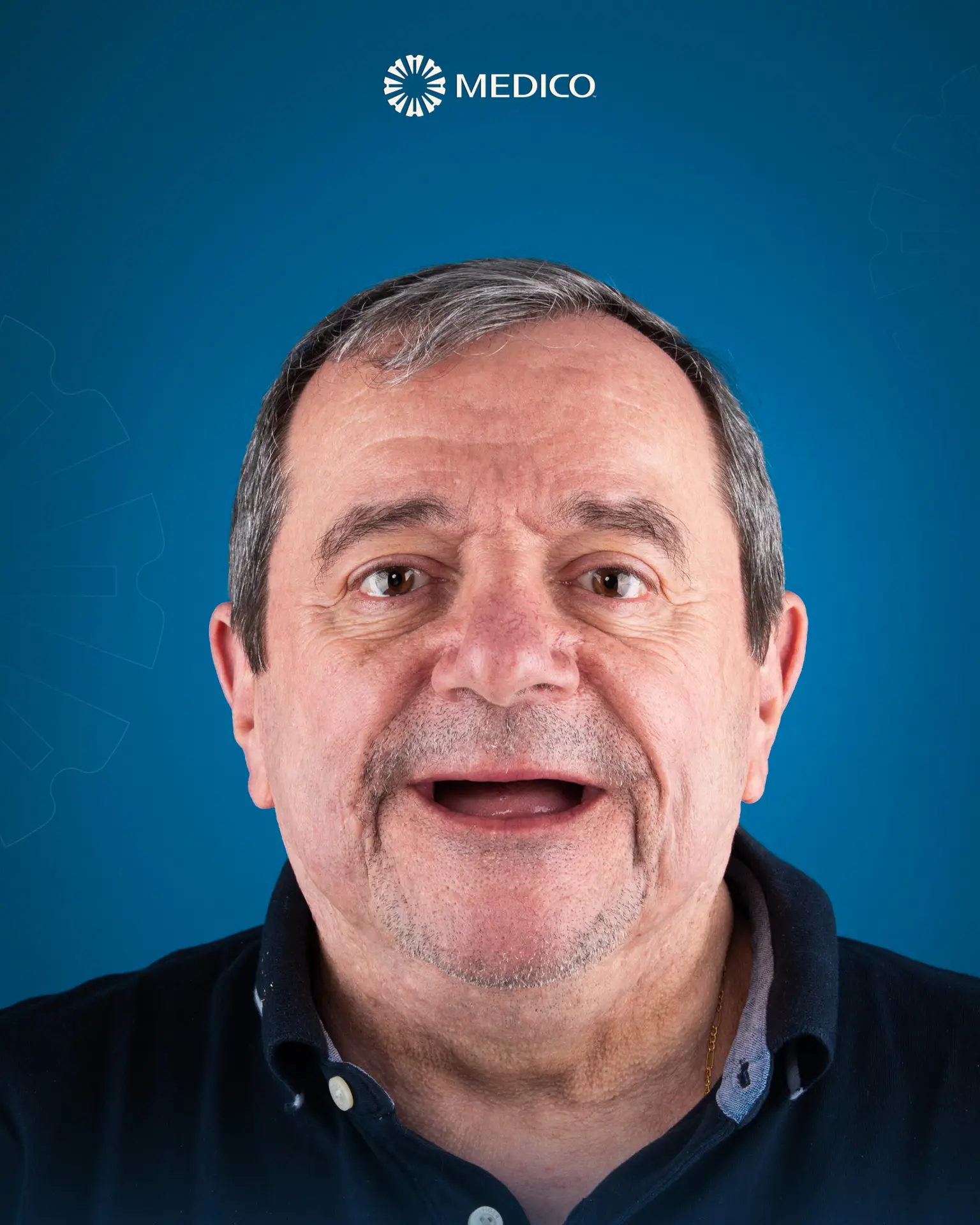

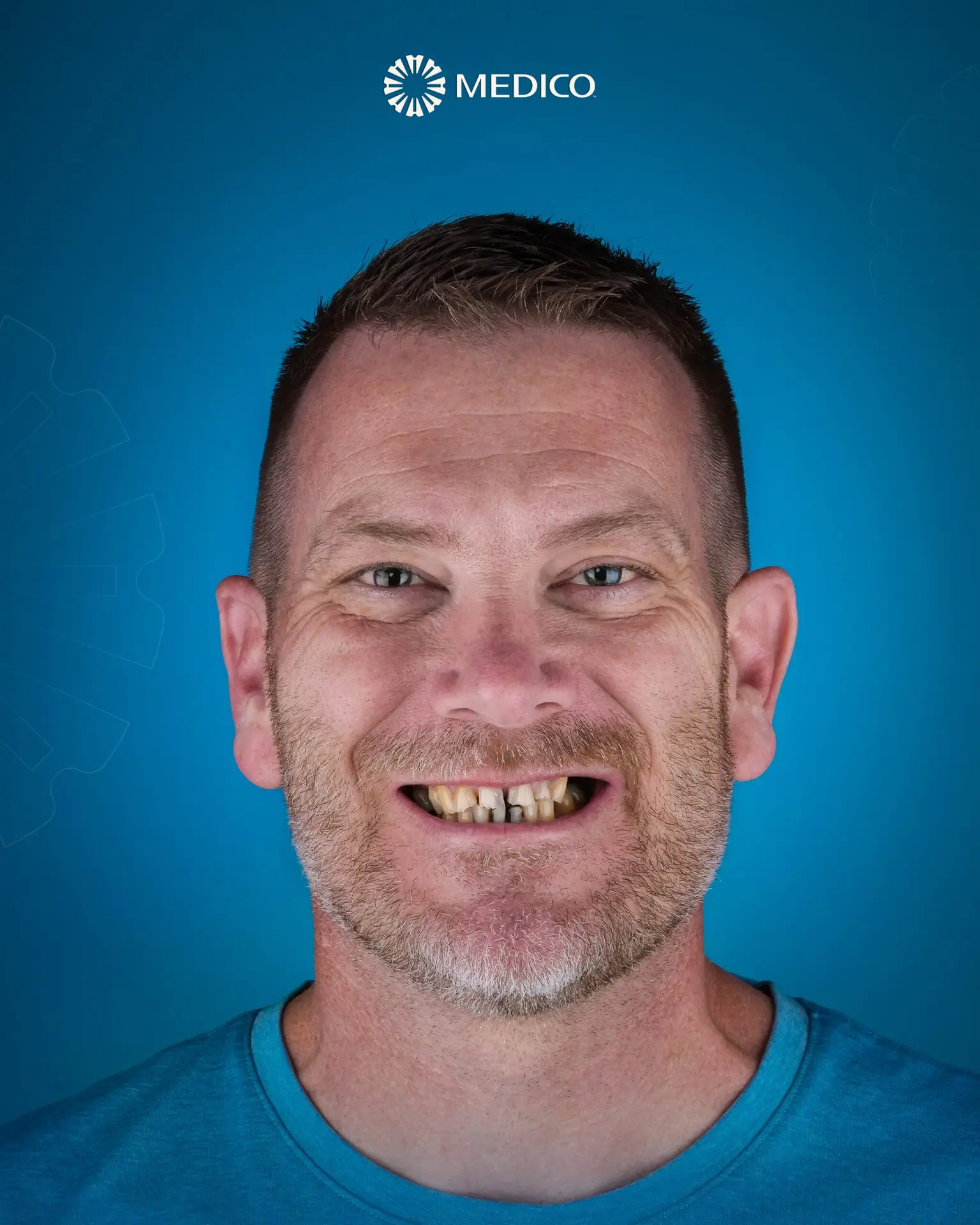
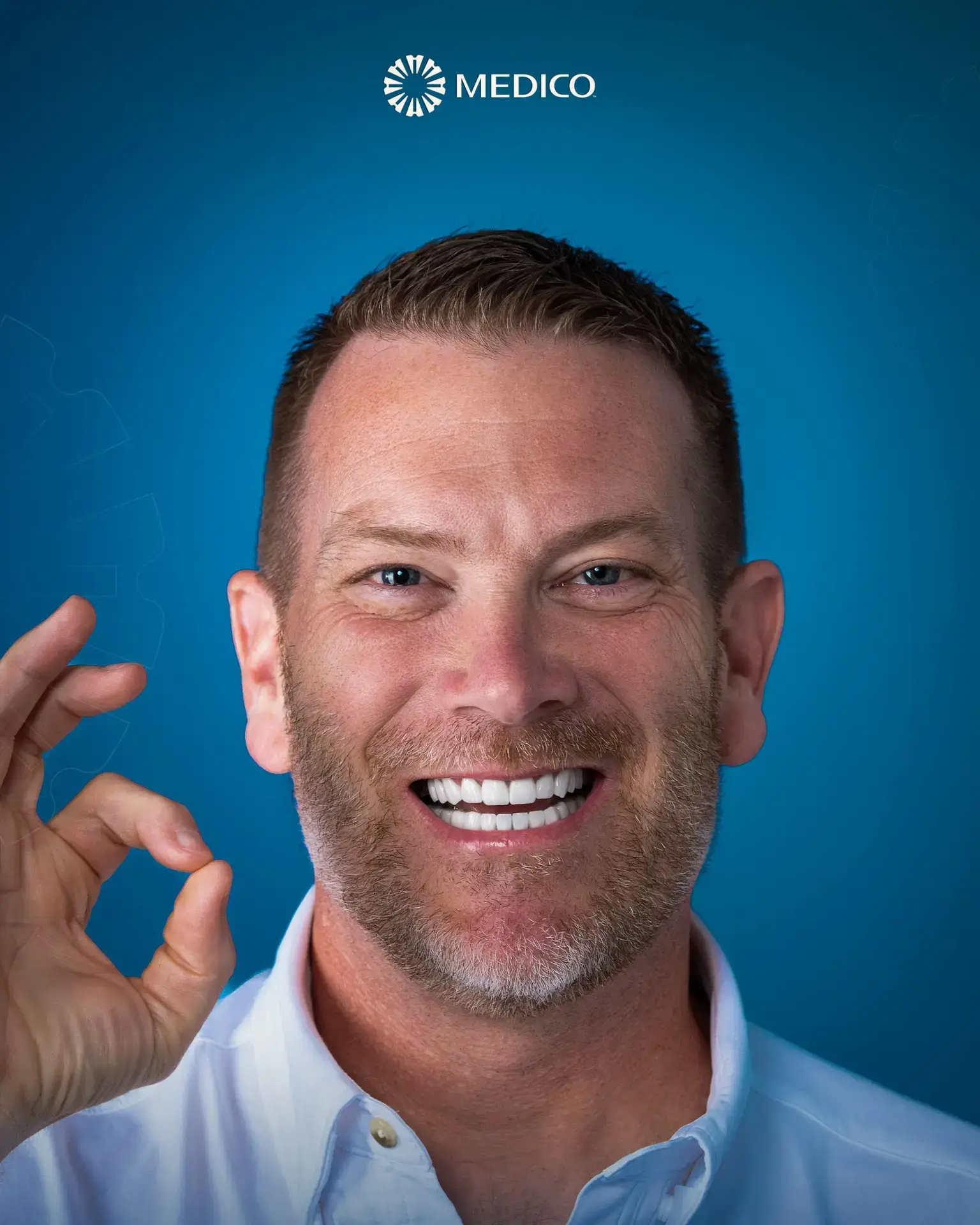
PATIENT JOURNEY
Your Journey with Medico Clinic
Embark on a carefully crafted journey where your comfort, safety, and satisfaction come first. From a detailed online consultation to personalized treatment and dedicated post-care, every step with Medico Clinic is designed to provide a world-class experience.

#1 -Online Consultation
Begin your journey with a detailed online consultation from the comfort of your home. Our dedicated team of multilingual medical consultants is here to assist you to ensure that language is never a barrier to understanding your unique needs.

#2- Arrival and Transfer
Upon arrival in Türkiye, experience a warm welcome from our professional team, who will assist you with a smooth, secure transfer to your accommodation. Choose from a selection of luxurious hotels carefully curated to provide you with the comfort and relaxation you deserve.

#3- Accommodation
Your accommodation has been selected with your comfort in mind, providing a serene and sophisticated environment for your stay. Each hotel is equipped with amenities designed to make you feel at ease, allowing you to relax and rejuvenate.
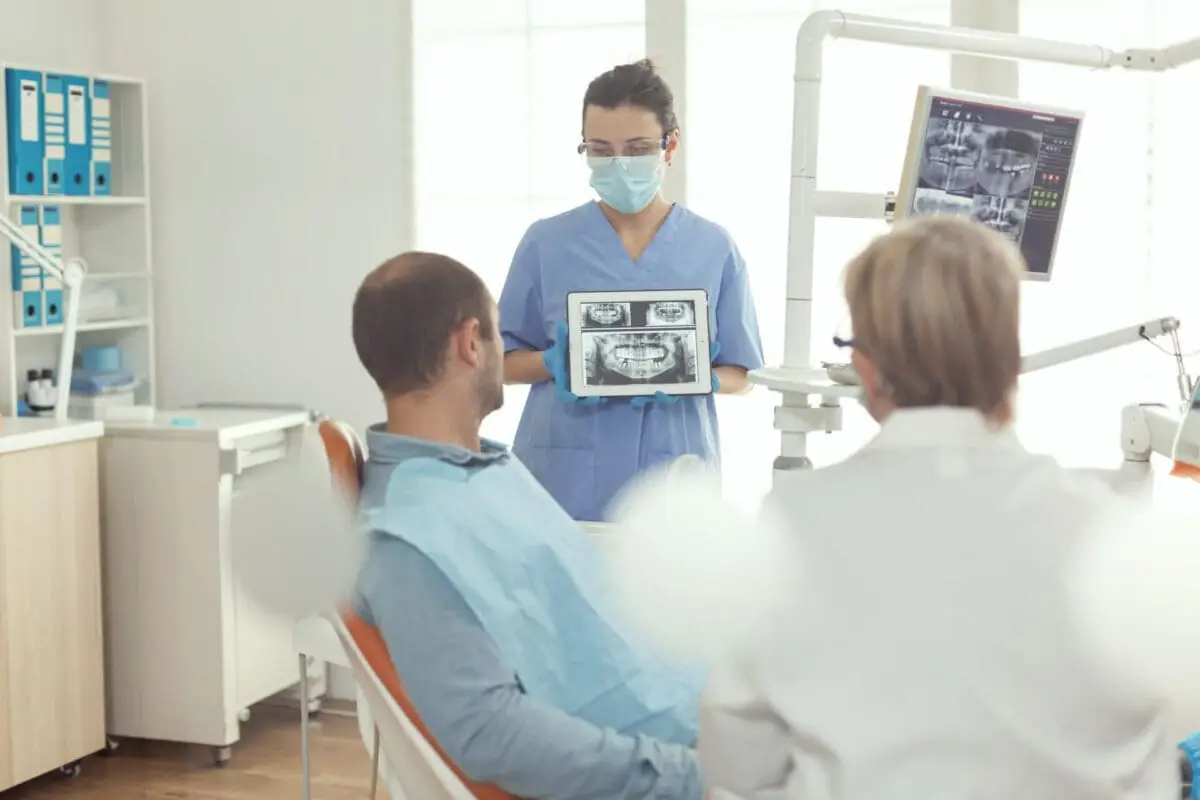
#4 - Clinical Consultation
Our dentists take the time to understand your specific goals, reviewing every detail of your customized treatment plan. With a deep commitment to precision and care, they are here to answer any remaining questions and ensure you are fully prepared and comfortable with the next steps.
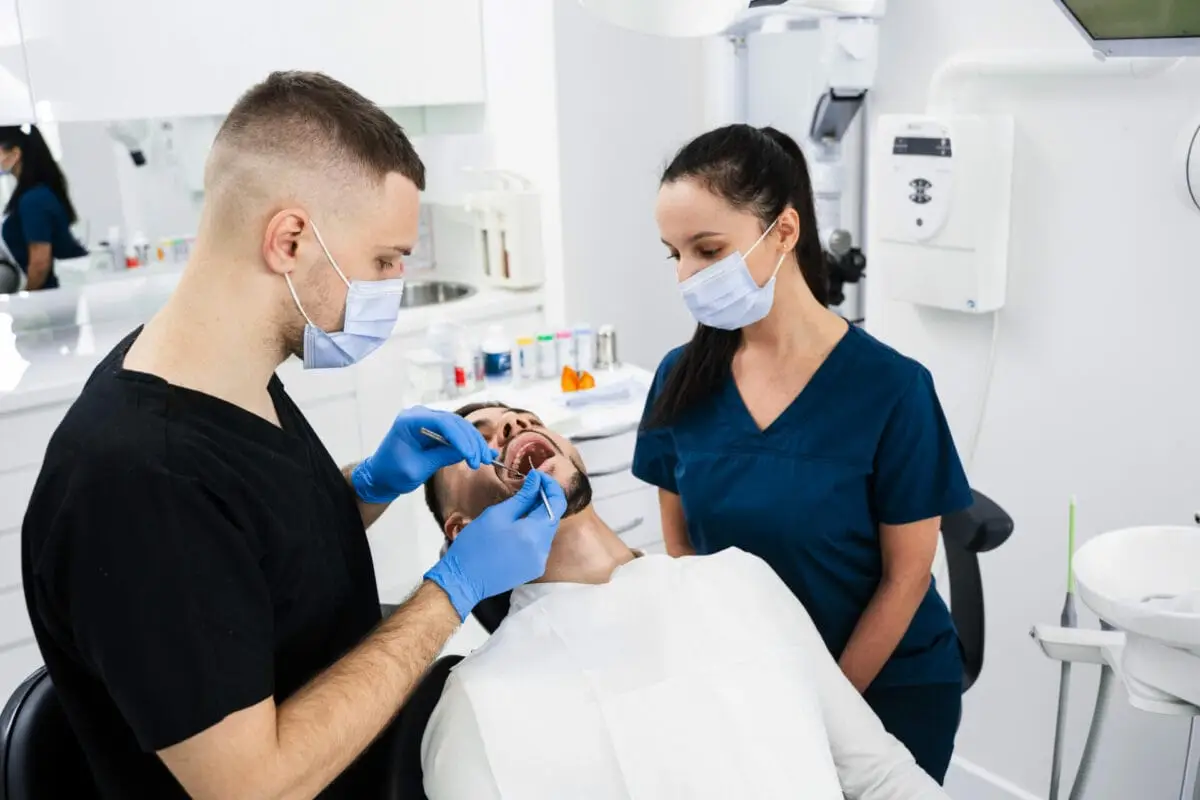
#5 - The Procedure
Your treatment is conducted by highly skilled surgeons and medical professionals who use the latest technology and advanced surgical techniques to ensure optimal results.

#6 - Check-Up
Following your treatment, our team performs a thorough post-procedure check-up to ensure your comfort and satisfaction. Our experienced doctors carefully monitor your progress and address any questions or concerns.

#7- Departure
As your journey concludes, depart with a renewed sense of confidence, knowing your experience was led by professionals who prioritize your care and comfort at every step. From your initial consultation to your final check-up, Medico Clinic is committed to delivering a seamless, exceptional experience.
Contact US
Get Your FREE Dental Report
Submit your info and get a quote personalized to your needs.
FAQS
Everything you need to know about All-on-4
Find quick answers to common questions about our dental implants, procedures, and patient care in our FAQ section.
No. The teeth are fixed and only removable by a dentist.
In many cases, bone grafting is not required due to angled implant placement.
The procedure is performed under anesthesia, and post-treatment discomfort is usually manageable.
Yes. It can be performed on the upper jaw, lower jaw, or both.
Care is similar to natural teeth: daily brushing, flossing, and regular dental check-ups. Avoiding hard foods and smoking also helps maintain the implants' health and longevity.