
Istanbul 🇹🇷 | London 🇬🇧 | USA 🇺🇸| Bangkok 🇹🇭


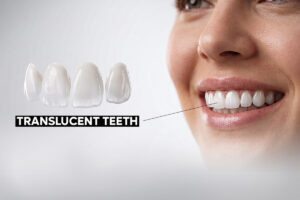
A healthy, vibrant smile is often associated with bright, opaque, and structurally sound teeth. However, if you look closely in the mirror and notice that the bottom edges of your front teeth look glassy, see-through, or icy, you are likely experiencing a condition known as translucent teeth.
Translucent teeth happen when enamel—the tooth’s incredibly hard, protective outer layer—thins out enough to let the inner structure of the tooth show through, or in the case of the biting edges, lets light pass directly through the tooth. The result is a glassy, see-through appearance that can make the teeth look grey or bluish.
While a slightly translucent edge is a natural part of a young, healthy tooth, excessive or spreading translucency is a warning sign of structural wear. This comprehensive guide covers the microscopic anatomy behind why this happens, the lifestyle and medical factors that strip away enamel, what symptoms to watch for, and the advanced cosmetic and restorative dentistry solutions available to bring your smile back to life.
What Are Translucent Teeth? The Anatomy of Your Smile
To understand why teeth become see-through, it helps to understand how a tooth is built. The human tooth is comprised of several distinct layers:
- Enamel: This is the outermost shell. Composed of 96% densely packed minerals (primarily hydroxyapatite crystals), it is the hardest substance in the human body. Natural enamel is semi-translucent and bluish-white.
- Dentin: Sitting just beneath the enamel is the dentin. This layer is softer, highly porous, and naturally yellow or off-white. The color of your dentin is actually what dictates the overall shade of your smile.
- Pulp: The innermost chamber containing the living nerves and blood vessels.
The biting edges of your front teeth (the incisal edges) are unique because they consist entirely of enamel; there is no yellow dentin backing them up. Therefore, when the enamel on the front of the tooth thins out due to acid or wear, the edges become entirely see-through, while the rest of the tooth may begin to look darker or yellower as the dentin becomes more visible.
Unlike your skin or bones, tooth enamel contains no living cells. This means that once it is eroded or worn away, it cannot naturally regenerate or grow back. Therefore, translucent teeth tend to worsen gradually rather than resolve on their own, making early intervention critical.
Common Causes of Translucent Teeth
Enamel is tough, but it is not indestructible. Several distinct habits, chemical processes, and physical conditions can thin enamel over time. Most patients presenting with translucent teeth are usually experiencing a combination of the following factors.
1. Enamel Erosion from Acid Exposure (Extrinsic and Intrinsic)
Acid is the absolute worst enemy of tooth enamel. When the pH level in your mouth drops below 5.5, the mineral bonds in your enamel begin to dissolve in a process called demineralization.
- Extrinsic Acids (Diet): Consuming acidic foods and drinks—such as citrus fruits, tomatoes, sodas, sports drinks, wine, and even some sparkling waters—bathes the teeth in acid, softening the enamel and gradually washing it away. A systematic review of risk groups found erosive wear in 40% of people with high acidic beverage intake, rising to 51% among those with occupational or sporting exposure.
- Intrinsic Acids (Medical Conditions): Stomach acid is extremely corrosive. Conditions such as gastroesophageal reflux disease (GERD), frequent heartburn, and acid reflux, as well as eating disorders like bulimia, cause strong stomach acids to enter the mouth. This acid typically begins by severely eroding the lingual surfaces of the front teeth, thinning the teeth from the inside out. In the same study, erosive wear was detected in 54.1% of GERD patients. This condition can progress silently for years before the person notices heartburn or a sour taste as a warning sign.
2. Bruxism (Teeth Grinding and Clenching)
Acid causes chemical wear. Grinding causes mechanical wear, called attrition, and it targets the same incisal edges.
The measured forces explain the damage. In one study using strain-gauge appliances, mean maximum voluntary bite force during the day was 79 kgf, while peak nocturnal bruxism forces averaged 42.3 kgf. The revealing figure is the ratio: on average, sleeping force reached 53.1% of the daytime maximum, but in some individuals it reached 111.6%. Those people grind harder asleep than they can consciously bite awake, with no pain reflex to stop them.
Most people have no idea they grind, because they notice the consequences rather than the habit. Their jaw feels stiff on waking, headaches settle around the temples, and the front teeth flatten or chip at the edges.
3. Aggressive Brushing Habits and Abrasive Toothpastes
It is entirely possible to brush your teeth too hard. Using a hard-bristled toothbrush or applying heavy pressure can physically scrub the enamel away.
Furthermore, many people use highly abrasive whitening toothpastes, particularly charcoal-based pastes, which act like microscopic grit. This habit is especially destructive if you brush immediately after eating or drinking something acidic. Because the acid has temporarily softened the enamel, aggressive brushing will literally brush the softened enamel away before your saliva has a chance to harden it again.
4. Genetic Factors and Developmental Issues
Some people are simply born with thinner or improperly formed enamel. Conditions like Enamel Hypoplasia (thin, underdeveloped enamel) and Amelogenesis Imperfecta (a rare genetic disorder affecting enamel formation) produce a translucent, pitted, or mottled appearance from the time the teeth first erupt, independent of the patient’s diet or brushing habits. Additionally, celiac disease has been clinically linked to enamel defects in developing teeth.
5. The Impact of Natural Aging
Even with impeccable oral hygiene and a perfect diet, enamel naturally thins with decades of ordinary use. This is why translucent edges, slightly yellowed teeth, and flattened biting surfaces become much more common later in life.
Symptoms and Potential Complications of Translucent Teeth
The primary symptom is visual: a glassy, see-through, or greyish tint at the edges of the teeth. However, as the protective enamel layer thins, secondary complications frequently arise:
- Tooth Sensitivity: As enamel thins, microscopic channels in the underlying dentin become exposed to the oral environment. Changes in temperature from hot coffee, cold ice water, or even sweet and sticky foods travel down these tubes directly to the tooth’s nerve, causing sharp, sudden pain.
- Chipping and Fracturing: Healthy enamel is supported by its thickness. Translucent edges are incredibly thin, brittle, and fragile. Biting into a hard piece of food, like an apple or a crusty piece of bread, can easily cause the edge of the tooth to chip or splinter.
- Increased Risk of Decay: Enamel is your shield against cavity-causing bacteria. When that shield is compromised, your risk for severe dental caries rises exponentially.
When to Seek Professional Dental Care
You should schedule a consultation with a dentist if the translucency is new, seems to be spreading rapidly, or is paired with any pain, temperature sensitivity, or visible jagged chipping.
Furthermore, if you frequently experience a sour taste in your mouth, dry mouth upon waking, or chronic throat irritation, it is vital to mention this to your dentist. These are classic signs of silent GERD. Identifying acid reflux early allows your dentist to protect your teeth while you seek medical treatment from a gastroenterologist to address the root cause. Early evaluation generally means simpler, more conservative, and less invasive dental treatments.
Treatment Options for Translucent Teeth
The best treatment depends entirely on the underlying cause and how far the enamel loss has progressed. While enamel cannot be regrown, modern restorative dentistry can completely rebuild the structural integrity and aesthetics of your smile.
1. Remineralization Therapy (For Early/Mild Cases):
If the translucency is caught very early, dentists can prescribe high-concentration fluoride varnishes or calcium-phosphate pastes. While these cannot rebuild lost tooth structure, they aggressively remineralize and harden the remaining softened enamel, halting further transparency and drastically reducing temperature sensitivity.
2. Dental Bonding (For Moderate Edges):
For visible translucency and minor chipping, dental bonding is an excellent, conservative option. The dentist applies a tooth-colored composite resin directly to the thinned edges, sculpting it to restore the tooth’s original shape, thickness, and opaque color. Bonding can typically be completed in a single visit at a relatively low cost. However, resin is not as strong as porcelain and may need to be touched up or replaced every 5 to 7 years.
3. Porcelain Veneers (For Severe Translucency and Wear):
For moderate to severe cases where the front of the tooth is heavily eroded, porcelain veneers offer a stunning, long-lasting fix. Veneers are ultra-thin shells of medical-grade ceramic custom-crafted in a dental laboratory to cover the entire front surface of the tooth. They instantly replace the lost enamel, masking the translucency and protecting the tooth from further acid erosion for a decade or more.
4. Dental Crowns and Advanced Restorations:
Teeth that have worn down significantly—losing structure not just at the edges but across the entire tooth—may require a full dental crown for 360-degree structural support. If the acid erosion or wear has progressed far enough to expose or infect the tooth’s nerve, root canal treatment will be necessary to remove the damaged nerve before any cosmetic restoration is placed. In rare, extreme cases of neglect where a tooth is fractured beyond repair, dental implants become the most realistic long-term option for replacing the lost tooth entirely.
It’s important to note that professional teeth whitening addresses organic staining, not structural thinning. Applying bleaching gels to severely translucent teeth will not make them opaque; in fact, it often makes the teeth look more translucent and dramatically increases nerve sensitivity. In cases where a full smile makeover is planned, some patients combine restorative work with gum design to achieve a more balanced, proportional, and youthful result.
Preventing Further Enamel Loss and Promoting Oral Health
Protecting your enamel requires a combination of dietary awareness and smart hygiene habits:
- Always use a soft-bristled brush and a non-abrasive, fluoride-based toothpaste.
- Never brush your teeth immediately after consuming acidic food or drinks or after a reflux episode. Your enamel is temporarily soft. Rinse your mouth with plain water to neutralize the acid, and wait at least 30 to 45 minutes for your saliva to remineralize the enamel before brushing.
- Limit how often you consume acidic drinks. When you do drink sodas or fruit juices, use a straw placed toward the back of your mouth to bypass your front teeth entirely.
- If bruxism is wearing your teeth thin, a custom-fitted acrylic night guard from your dentist will absorb the pressure and protect your enamel from physical destruction while you sleep.
- Saliva is your body’s natural defense mechanism against acid. Chewing sugar-free gum containing xylitol helps stimulate saliva production, washing away food particles and neutralizing oral pH.
Translucent Teeth: Considerations for Children and Adults
In children, translucency is often noticed shortly after permanent teeth erupt. Newly erupted adult teeth can naturally look slightly translucent at the edges until they finish fully mineralizing in the oral environment, which isn’t necessarily a cause for concern. However, severe translucency in a child can stem from genetic conditions (like enamel hypoplasia) or a diet overly high in acidic fruit juices. Pediatric dentists will typically monitor this and apply fluoride sealants.
In adults, translucency is almost always acquired gradually through years of acid exposure, grinding, or simple aging. Because adult enamel does not naturally thicken over time, adult treatment plans focus heavily on protective and restorative options—like bonding, veneers, or crowns—to physically replace the lost barrier rather than monitoring alone.
Frequently Asked Questions
Are translucent teeth a permanent condition?
The underlying enamel loss is permanent, as the human body cannot grow new enamel. However, the visible cosmetic issue of translucency can be completely and permanently corrected with restorative dentistry like bonding, veneers, or crowns.
Can lost tooth enamel grow back naturally?
No. Enamel is not living tissue. It can be strengthened and hardened at a microscopic level through remineralization (using fluoride or specialized pastes), but the physical bulk and structure of lost enamel do not regenerate on their own.
Do translucent teeth always mean there’s a serious dental problem?
Not always. Mild translucency, especially in young people or as a result of minor, natural wear, is not an immediate emergency. However, sensitivity, jagged chipping, or rapidly spreading transparency are red flags that warrant a prompt dental evaluation.
What is the best way to prevent my teeth from becoming more translucent?
Switch to a soft-bristled toothbrush, avoid brushing right after consuming acidic foods, limit sodas and sports drinks, address nighttime grinding with a custom night guard, and maintain bi-annual dental check-ups to catch erosion early.
How long does it take to fix translucent teeth?
The timeline depends on the treatment. Dental bonding is fast and can often be completed in a single one-hour visit. Porcelain veneers or crowns typically require two appointments spaced about one to two weeks apart while the permanent ceramic restorations are fabricated in a dental laboratory.
References
- Cleveland Clinic, “Translucent Teeth: Causes & Treatment”
- Line Dental, “Why Do My Teeth Look Translucent at the Edges?”
- “The global prevalence of tooth wear in general population: a systematic review and meta-analysis,” 2025
- Schlueter N, Luka B, “Erosive tooth wear: a review on global prevalence and on its prevalence in risk groups,” British Dental Journal, 2018
- “Prevalence of erosive tooth wear in risk group patients: systematic review,” Clinical Oral Investigations, 2024
- “Quantitative study of bite force during sleep associated bruxism,” Journal of Oral Rehabilitation, 2001