
+28,000 Smiles and Counting — Istanbul 🇹🇷 | London 🇬🇧

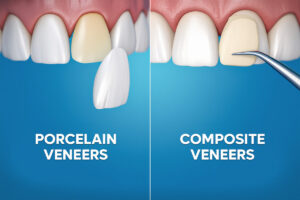
Composite vs Porcelain veneers
When considering a smile makeover, one of the most important decisions is choosing between composite veneers and porcelain veneers. Both options improve color, shape, and symmetry, yet they differ significantly in durability, aesthetics, preparation requirements, and long-term maintenance.
In 2026, cosmetic dentistry focuses on personalization rather than one-size-fits-all solutions. The best veneer material is not the most expensive one—it is the one that fits your clinical condition, aesthetic expectations, and long-term goals.
What Are Composite Veneers?
Composite veneers are made from tooth-colored resin material applied directly to the surface of the teeth. The dentist sculpts the material layer by layer, shaping it to improve alignment, close gaps, or adjust tooth size. The procedure is often completed in a single visit.
One of the main advantages of composite veneers is their conservative nature. In many cases, little to no enamel removal is required, which makes the treatment minimally invasive. Additionally, composite veneers are easier to repair if chipped.
However, composite resin is more porous than porcelain, which means it can stain over time and may require polishing or maintenance.
What Are Porcelain Veneers?
Porcelain veneers are thin ceramic shells custom-fabricated in a dental laboratory and bonded to the front surface of the teeth. Materials such as lithium disilicate are commonly used because of their strength and natural translucency.
Unlike composite veneers, porcelain veneers usually require some enamel reduction to create space for proper fit. This makes the procedure irreversible. However, porcelain is highly resistant to staining and offers superior long-term color stability.
The fabrication process typically requires at least two appointments, as laboratory precision is involved.
Aesthetic Differences
From an aesthetic perspective, porcelain veneers generally provide more lifelike translucency and depth. They mimic natural enamel by reflecting and transmitting light in a way that composite materials cannot fully replicate.
Composite veneers can look very natural when placed by an experienced clinician, but they may lack the same optical complexity. Over time, composite may also lose its initial gloss, requiring maintenance to preserve shine.
For patients seeking maximum brightness and long-term color stability, porcelain often offers a more refined result.
Durability and Longevity
Durability is one of the biggest differences between the two options. Porcelain veneers are stronger and more resistant to wear and staining. With proper care, they can last 10 to 15 years or more.
Composite veneers typically last between 5 to 7 years, depending on oral hygiene, bite force, and habits such as teeth grinding. They are easier to repair but may require more frequent adjustments over time.
Both materials are manufactured under strict medical safety standards regulated by authorities such as the U.S. Food and Drug Administration.
Tooth Preparation and Reversibility
Composite veneers are often considered more conservative because they may not require significant enamel removal. This makes them partially reversible in some cases.
Porcelain veneers, on the other hand, require enamel reshaping. Once enamel is removed, the tooth becomes permanently dependent on a restoration. For this reason, careful planning and long-term commitment are essential before choosing porcelain.
Patients who prioritize preservation of natural tooth structure may initially prefer composite.
Cost Considerations
Composite veneers are generally more affordable upfront because they do not involve laboratory fabrication. Porcelain veneers typically cost more due to material quality and lab precision.
However, long-term maintenance should also be considered. While porcelain has a higher initial cost, it may require fewer replacements over time compared to composite.
The decision should be based on value—not price alone.
Which Option Is Better for You?
The ideal veneer type depends on several factors, including:
Degree of discoloration
Desired brightness level
Bite force and grinding habits
Budget considerations
Long-term expectations
For minor corrections and conservative enhancement, composite veneers may be sufficient. For full smile transformations requiring maximum durability and optical refinement, porcelain veneers are often recommended.
Final Perspective: Balance Aesthetics With Biology (H2)
Composite and porcelain veneers both serve important roles in cosmetic dentistry. The right choice depends on balancing beauty, function, and preservation of tooth structure.
In 2026, responsible cosmetic treatment emphasizes minimal intervention whenever possible, while still delivering stable, natural-looking results.
A beautiful smile should not compromise long-term oral health.
Considering Veneers for Your Smile?
If you are deciding between composite and porcelain veneers and want professional guidance tailored to your dental condition and aesthetic goals, a personalized evaluation is essential.
At Medico Clinic, we assess enamel thickness, bite alignment, and smile design before recommending the most appropriate veneer option.
You can fill out the consultation form on our website for a customized smile assessment, or contact us directly via WhatsApp to share your photos and receive expert advice.
The right veneer choice should protect your teeth while enhancing your confidence. Let’s make the decision carefully