
+28,000 Smiles and Counting — Istanbul 🇹🇷 | London 🇬🇧

What Should You Eat After a Dental Implant?
If you’ve just had a dental implant placed — or you’re about to — one of the most common questions you’ll have is about food. What can you eat? What should you avoid? And how long do you need to be careful?
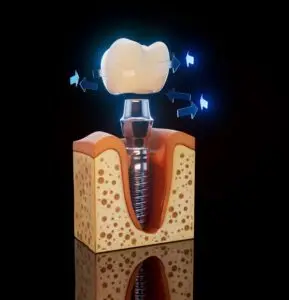
This part is more important than most people realize. Your implant needs time to integrate with your bone in a process called osseointegration. During this healing phase, what you eat — and how you eat — directly affects comfort, stability, and long-term success.
The good news? You don’t need to starve yourself or survive on liquids for weeks. You just need to be smart about your choices.
Let’s go step by step so you know exactly what to do.
The First 24 Hours: Keep It Cool and Soft
Right after your implant surgery, your mouth is sensitive. The gum tissue has been opened, and the implant has been placed into the jawbone. Even though it’s a controlled and precise procedure, your body now begins healing.
During the first 24 hours, we recommend sticking to cool or room-temperature soft foods. Avoid anything hot, spicy, or crunchy. Heat can increase bleeding, and hard textures can disturb the surgical area.
Good options for you during this period include yogurt, smoothies (without a straw), mashed potatoes, scrambled eggs, cottage cheese, hummus, and soft soups that are not too hot. The key is texture. If it requires strong chewing, it’s too soon.
Also, try to chew on the opposite side of your mouth if possible. You want to avoid putting pressure on the implant site.
And one important reminder: do not use a straw. The suction can interfere with the healing clot around the implant area.
Days 2 to 7: Gentle, Soft, and Nutritious
After the first day, swelling may increase slightly before improving. That’s normal. Your focus during this week should be maintaining nutrition while protecting the implant site.
You can slowly introduce slightly firmer soft foods, but still avoid anything crunchy, sticky, or hard. Think soft pasta, rice, well-cooked vegetables, soft fish, shredded chicken, oatmeal, bananas, and avocado.
Protein is especially important for healing. Your body needs it to rebuild tissue and support bone integration. Eggs, yogurt, soft fish, and protein-rich smoothies are excellent choices.
You don’t need to eat tiny portions, but you should eat carefully. Take small bites. Chew slowly. Avoid direct pressure on the implant side.
If your implant was placed with bone grafting, you may need to be even more cautious. In that case, your dentist may recommend a soft diet for a slightly longer period.
After One Week: Gradual Return to Normal
By the end of the first week, most patients feel significantly better. Swelling decreases, tenderness improves, and normal daily activities resume.
At this point, you can gradually reintroduce more regular foods — but still avoid very hard or crunchy items like nuts, chips, raw carrots, and hard bread for at least a few more weeks.
Even though you may feel fine, remember that the implant is still integrating with your bone. The healing inside the jaw takes several months. You don’t feel that process, but it’s happening.
So while you don’t need to live on mashed potatoes for months, you should avoid aggressive chewing directly on the implant site until your dentist confirms strong integration.
Foods You Should Avoid During Healing
Some foods are simply not worth the risk during recovery.
Avoid hard foods like nuts, popcorn, seeds, and ice. Avoid sticky foods like chewing gum and caramel. Avoid extremely hot foods during the first few days. Spicy foods can also irritate the surgical area.
Alcohol and smoking should be avoided, especially during the first two weeks. Smoking reduces blood flow and significantly increases the risk of implant failure. If there is one habit that directly affects implant success, it’s smoking.
Carbonated drinks and excessive sugar should also be limited, as they can irritate the tissue and affect oral hygiene.
Why Your Diet Matters More Than You Think
A dental implant isn’t just sitting in your mouth — it’s biologically bonding with your bone. This fusion is what makes implants strong and long-lasting.
If you disturb the area repeatedly with hard chewing, or if healing is slowed by poor nutrition or smoking, the implant may not integrate properly.
The goal is stability.
When you follow dietary guidelines, you reduce inflammation, prevent micro-movements, and support natural healing. Most implant complications are preventable with proper care during the first few weeks.
What If You Had Immediate Teeth Placed?
If you received an immediate temporary crown or a full-arch implant like All-on-4, dietary instructions become even more important.
Even though you may leave the clinic with fixed teeth, those teeth are not meant for heavy chewing immediately. In these cases, we usually recommend a soft diet for several weeks to protect the implants during integration.
Just because you can chew doesn’t mean you should chew hard foods yet.
Frequently Asked Questions
How long do I need to eat soft foods after a dental implant?
Most patients follow a soft diet for about one week. If bone grafting or multiple implants were placed, it may extend to two weeks or more.
Can I eat normally after 7 days?
You can gradually return to normal foods, but avoid very hard or crunchy items for several weeks.
Can I drink coffee after implant surgery?
Yes, but avoid very hot coffee during the first 24 hours. Heat can increase bleeding and swelling.
What happens if I accidentally chew on the implant side?
One gentle bite usually won’t cause failure. However, repeated pressure during early healing should be avoided.
Is it normal to feel pressure while eating?
Mild sensitivity is normal during the first week. Severe pain is not and should be evaluated.
Healing after a dental implant is not complicated — but it does require awareness. When you eat carefully, stay hydrated, avoid harmful habits, and follow instructions, your implant has the best chance to integrate successfully.
And once healing is complete, you’ll be able to eat comfortably and confidently again — without thinking twice about it.