
+28,000 Smiles and Counting — Istanbul 🇹🇷 | London 🇬🇧

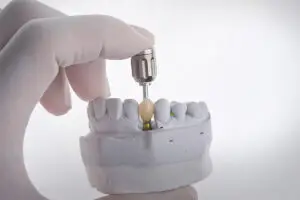
Single Tooth Implant: Step-by-Step Procedure and Healing Timeline
Losing one tooth may seem minor, yet even a single missing tooth can affect chewing efficiency, bite balance, and long-term bone stability. A single tooth implant is often the most conservative and durable way to replace a missing tooth because it restores the root and crown independently—without damaging adjacent teeth.
In 2026, implant planning is digital, minimally invasive, and highly predictable. Still, success depends on respecting biology and allowing proper healing. Here is a clear, step-by-step explanation of what to expect from consultation to final crown.
Step 1: Comprehensive Diagnosis and Digital Planning
Every successful implant begins with diagnosis. During the initial visit, your dentist evaluates medical history, gum health, and bite dynamics. A CBCT (3D scan) is typically taken to assess bone height, thickness, and density, as well as nerve and sinus proximity.
This stage determines whether you are a candidate for immediate placement or whether additional procedures such as bone grafting are needed. Digital planning software allows precise positioning of the implant to ensure ideal force distribution and aesthetic alignment.
Careful planning at this stage significantly reduces complications later.
Step 2: Implant Placement Surgery
The surgical phase is usually completed under local anesthesia and is generally shorter and more comfortable than patients expect. A small opening is made in the gum, and a titanium implant is inserted into the jawbone at the predetermined angle and depth.
Modern techniques focus on minimizing tissue trauma. In many cases, stitches are minimal or unnecessary. The procedure itself often takes less than an hour for a single implant.
After placement, the implant begins the critical process known as osseointegration—the biological bonding between bone and implant surface.
Immediate vs Delayed Placement
In some cases, the implant can be placed immediately after tooth extraction. This is called immediate implant placement and is possible when infection is absent and bone support is sufficient.
In other cases, the extraction site must heal first, typically for several weeks, before implant placement. The safest option depends entirely on bone condition and clinical findings.
Step 3: The Healing Phase (Osseointegration)
Osseointegration is the foundation of implant success. During this period, bone cells attach directly to the implant surface, creating a stable anchor for the future crown.
Healing time generally ranges from 8 to 16 weeks. The lower jaw, which typically has denser bone, may heal slightly faster than the upper jaw.
During this phase, you may wear a temporary removable or bonded solution to maintain aesthetics, especially if the missing tooth is in the front region.
It is important to avoid excessive pressure on the implant site during healing. Stability at this stage determines long-term durability.
Step 4: Abutment Placement
Once integration is confirmed, the next stage involves placing the abutment. The abutment is a small connector that links the implant to the final crown.
This step may require a minor procedure to expose the implant if it was covered during healing. Healing around the abutment usually takes one to two weeks as the gum tissue adapts and forms a natural contour.
Proper soft-tissue shaping at this stage enhances both function and aesthetics.
Step 5: Final Crown Fabrication and Placement
After the gums have healed, digital impressions or intraoral scans are taken to design the final crown. The crown is fabricated to match the color, shape, and bite alignment of your natural teeth.
When placed, the crown is either screw-retained or cemented onto the abutment. Bite adjustments ensure even force distribution and comfort.
The final result should feel stable, natural, and fully integrated with your smile.
Healing Timeline Overview
Although each patient’s case is unique, a typical single implant timeline may look like this:
Consultation and planning: 1–2 days
Implant placement: Day 1
Healing phase: 2–4 months
Abutment and crown placement: 2–3 visits over 1–2 weeks
For international patients, surgery is often completed during the first visit, while final crown placement occurs during a second trip after healing.
What Does Recovery Feel Like?
Most patients report mild discomfort for a few days after surgery, comparable to a routine extraction. Swelling and minor tenderness are normal but manageable with prescribed medication.
Following post-operative instructions carefully reduces complication risk. Good oral hygiene and avoiding smoking are particularly important during healing.
Implant systems and materials comply with strict medical device standards regulated by organizations such as the U.S. Food and Drug Administration, ensuring safety and biocompatibility.
How Long Does a Single Implant Last?
When properly placed and maintained, a single dental implant can last decades. Long-term success depends on:
Proper planning and placement
Balanced bite forces
Healthy gums
Regular professional check-ups
Implants do not decay like natural teeth, but the surrounding tissue must remain healthy to prevent peri-implantitis.
Final Perspective: Precision and Patience Lead to Stability
A single tooth implant is one of the most reliable restorative treatments available today. However, its success relies on precision during placement and patience during healing. Rushing integration or ignoring bite alignment can compromise outcomes.
When biology and biomechanics are respected, the result feels natural, functions comfortably, and protects surrounding teeth.
Considering a Single Tooth Implant?
If you are missing a tooth and want to understand whether a single implant is right for you, professional evaluation is the first step.
At Medico Clinic, we use advanced 3D diagnostics and digital planning to design safe, long-lasting implant solutions tailored to each patient.
You can fill out the consultation form on our website for a personalized implant assessment, or contact us directly via WhatsApp to share your X-rays and receive expert guidance.
A single missing tooth should not compromise your smile or bite.
Let’s restore it safely and predictably.