
+28,000 Smiles and Counting — Istanbul 🇹🇷 | London 🇬🇧

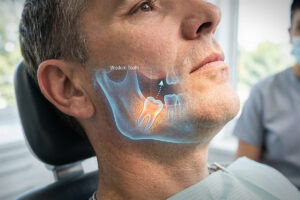
Wisdom Tooth Surgery for Adults
Why Timing, Anatomy, and Planning Matter More Than Age
Wisdom tooth removal is often associated with adolescence, but a growing number of patients undergo wisdom tooth surgery in adulthood. In 2026, adult wisdom tooth extraction is no longer unusual—but it does require a different clinical approach. Bone density, root development, nerve proximity, and healing capacity all change with age, making careful planning essential.
For adults, wisdom tooth surgery is not about routine prevention. It is about managing real medical risks that can compromise oral and overall health if left untreated.
Why Wisdom Teeth Cause More Problems in Adults
Wisdom teeth (third molars) are the last teeth to develop and erupt. In many adults, they never fully erupt—or erupt at an angle that disrupts surrounding structures.
With age:
Jawbone becomes denser
Tooth roots become fully formed and more complex
Wisdom teeth integrate more tightly with surrounding bone
This makes untreated wisdom teeth more likely to cause chronic issues, and surgical removal more technically demanding.
Common Reasons Adults Need Wisdom Tooth Surgery
1. Impacted Wisdom Teeth
Impaction occurs when a wisdom tooth is trapped beneath the gum or bone. Impacted teeth can:
Damage adjacent molars
Cause recurring infections
Lead to cyst formation
These risks increase over time, making delayed removal less favorable.
2. Recurrent Infections (Pericoronitis)
Partially erupted wisdom teeth create a pocket where bacteria accumulate. Adults may experience:
Repeated gum swelling
Pain during chewing
Bad taste or odor
Recurring infections indicate that conservative management is no longer sufficient.
3. Damage to Adjacent Teeth
Wisdom teeth pushing against second molars can cause:
Hidden decay
Bone loss
Gum disease
In adults, this damage often progresses silently until detected on X-rays.
4. Cysts and Bone Destruction
In rare but serious cases, impacted wisdom teeth can be associated with cysts that slowly destroy surrounding bone. Early surgical intervention prevents extensive reconstruction later.
How Adult Wisdom Tooth Surgery Differs From Teen Extractions
Wisdom tooth surgery in adults is not simply a delayed version of teenage extraction.
Key differences include:
Denser bone requiring more controlled surgical techniques
Increased likelihood of proximity to nerves
Longer healing timelines
Greater importance of post-operative compliance
This is why adult cases require advanced imaging and surgical planning.
The Role of 3D Imaging in 2026
In modern adult wisdom tooth surgery, CBCT (3D imaging) is often essential. It allows clinicians to evaluate:
Exact root anatomy
Proximity to the inferior alveolar nerve
Sinus involvement (upper wisdom teeth)
This reduces surgical risk and helps determine whether extraction should be:
Simple
Surgical
Staged
Surgical Techniques Used for Adults
Depending on complexity, adult wisdom tooth surgery may involve:
Sectioning the tooth into smaller pieces
Removing surrounding bone conservatively
Protecting nearby nerves and soft tissue
The goal is controlled removal, not force.
Anesthesia and Comfort Considerations
Adult wisdom tooth surgery can be performed under:
Local anesthesia
Conscious sedation
IV sedation (in selected cases)
The choice depends on:
Surgical difficulty
Patient anxiety
Medical history
Comfort is important—but safety always comes first.
Recovery Expectations for Adults
Healing after wisdom tooth surgery tends to be slower in adults than in younger patients.
Typical recovery includes:
Swelling for several days
Temporary jaw stiffness
Gradual return to normal function over 7–14 days
Strict adherence to post-operative instructions significantly reduces complications.
Risks and How They Are Managed
Adult wisdom tooth surgery is safe when properly planned. Potential risks include:
Dry socket
Temporary nerve irritation
Infection
In 2026, these risks are minimized through:
Pre-surgical imaging
Atraumatic surgical techniques
Clear aftercare protocols
Dental surgical procedures and materials follow international safety standards regulated by organizations such as the U.S. Food and Drug Administration.
When Wisdom Tooth Surgery Should Not Be Delayed
Adults should not postpone surgery when:
Pain or infection is recurrent
Adjacent teeth are affected
Imaging shows cystic changes
Orthodontic or implant planning is compromised
Delaying treatment often increases surgical complexity—not safety.
Wisdom Tooth Surgery and International Patients
For dental tourism patients, adult wisdom tooth surgery must be planned carefully:
Adequate recovery time before flying
Access to post-operative support
Clear documentation for follow-up care
Advanced clinics coordinate timing to ensure safe travel and healing.
Final Medical Perspective: Proactive, Not Reactive
Wisdom tooth surgery for adults is not about age—it is about risk management.
In 2026, the decision to remove wisdom teeth is based on anatomy, pathology, and long-term oral health—not routine timelines. When surgery is indicated, earlier intervention leads to safer procedures, smoother recovery, and better outcomes.
Ignoring problematic wisdom teeth does not make them harmless.
It often makes treatment more complex later.
Get a Professional Evaluation for Adult Wisdom Teeth
If you are experiencing discomfort or have been advised to consider wisdom tooth surgery, a proper evaluation is essential.
Fill out the consultation form on our website for a detailed assessment
Or contact us directly via WhatsApp to share your X-rays and receive professional guidance
👉 Timely treatment protects your oral health and simplifies recovery.
Reach out today to determine whether wisdom tooth surgery is medically necessary in your case.