
Istanbul 🇹🇷 | London 🇬🇧 | USA 🇺🇸| Bangkok 🇹🇭


Restore Missing Teeth and Smile Function with Dental Bridges
Dental bridges are fixed dental restorations designed to replace one or more missing teeth by bridging the gap between natural teeth or dental implants. They help restore chewing function, speech clarity, and smile aesthetics while preventing surrounding teeth from shifting out of position.
At Medico Clinic, dental bridges are custom-designed to blend naturally with your teeth and restore both function and appearance.
More Affordable
0
%
Years Of Lasting Results
0
+





Overview and Key Benefits of Dental Bridges
A missing tooth is rarely just a gap. It is a disruption in balance, function, and confidence that often grows more noticeable with time. Patients frequently adapt at first, chewing on one side, avoiding certain foods, or smiling slightly differently without realizing it. Yet beneath these small adjustments, the mouth begins to change. Neighboring teeth drift, opposing teeth over-erupt, and bite forces redistribute in ways that slowly undermine long-term stability.
Dental bridges were developed to address this exact moment — when a tooth is missing, but the surrounding teeth are still healthy enough to support a fixed, stable replacement. At Medico Clinic, dental bridges are approached as a restorative medical solution, not a cosmetic filler, designed to restore continuity before the absence of a tooth creates wider problems.
Why a Missing Tooth Affects More Than Appearance
Teeth function as a system. Each tooth supports its neighbors, helping distribute chewing forces evenly across the jaw. When one tooth is lost, that system becomes unbalanced. Adjacent teeth begin to tilt into the empty space, and the opposing tooth may erupt further in search of contact. Over time, this movement can create bite instability, uneven wear, and gum problems.
The emotional impact often follows a similar pattern. What begins as mild self-awareness can evolve into hesitation when speaking or smiling, especially if the missing tooth is visible. Dental bridges intervene at this stage, restoring structure before these changes become permanent.
Understanding What a Dental Bridge Actually Is
A dental bridge is a fixed restoration designed to replace one or more missing teeth by anchoring an artificial tooth to neighboring natural teeth or crowns. These supporting teeth, known as abutments, provide stability, while the replacement tooth — the pontic — fills the gap.
Unlike removable solutions, a dental bridge remains in place, restoring chewing efficiency and appearance in a way that feels continuous and natural. The bridge functions as a single unit, redistributing bite forces across the supporting teeth and re-establishing harmony within the dental arch.
The Medical Logic Behind Choosing a Dental Bridge
Dental bridges are recommended when specific clinical conditions align. The supporting teeth must be strong enough to bear additional load, gums must be healthy, and the bite must be stable enough to accommodate the restoration. When these conditions are met, a bridge can provide predictable, long-term function.
Bridges are often chosen when patients are not candidates for implants, prefer a non-surgical solution, or require faster restoration. The decision is not about convenience alone; it is about selecting the option that best preserves oral health within a patient’s medical context.
The Story That Often Leads to a Dental Bridge
Many bridge cases begin with a single event — a tooth lost due to decay, fracture, or failed root canal treatment. Initially, patients may focus only on replacing what is missing. Over time, they notice subtle changes: chewing feels uneven, food traps in the gap, or the smile feels incomplete.
By the time a bridge is discussed, the goal is no longer cosmetic replacement alone. It is about preventing further breakdown. A dental bridge restores continuity before the absence of a tooth destabilizes the rest of the mouth.
Preparing Teeth for a Dental Bridge: Medical Responsibility
One of the most important aspects of dental bridge treatment is preparation of the supporting teeth. These teeth are reshaped to receive crowns that will anchor the bridge securely.
This step requires careful judgment. Removing too much tooth structure weakens the abutments; removing too little compromises fit and longevity. At Medico Clinic, preparation is conservative and guided by anatomy, bite forces, and long-term prognosis.
Supporting teeth are evaluated not only for current health, but for their ability to support a bridge years into the future.
Table: When a Dental Bridge Is Medically Appropriate
| Clinical Situation | Dental Bridge | Dental Implant | No Treatment |
|---|---|---|---|
| One missing tooth | ✔ Suitable | ✔ Suitable | ❌ Risky |
| Adjacent healthy teeth | ✔ Ideal | ✔ Possible | ❌ |
| Multiple missing teeth | ⚠ Case-dependent | ✔ Preferred | ❌ |
| Bone loss present | ✔ Possible | ⚠ Needs graft | ❌ |
| Patient avoids surgery | ✔ Preferred | ❌ | ❌ |
This table highlights that bridges are not outdated alternatives, but context-specific solutions.
Types of Dental Bridges and Their Purpose
Dental bridges are not one-size-fits-all. The design depends on the number of missing teeth, the position in the mouth, and the condition of supporting structures. Traditional bridges rely on crowns on both sides of the gap, while cantilever bridges use support from one side in specific cases. In some situations, bridges may be supported by implants rather than natural teeth.
Each design exists to solve a particular clinical challenge. Selecting the correct type is essential for stability and longevity.
Materials Used in Dental Bridges
The success of a dental bridge depends heavily on material choice. Porcelain-based bridges offer natural aesthetics and blend seamlessly with surrounding teeth, while zirconium-reinforced bridges provide enhanced strength for areas under higher chewing forces.
Material selection is guided by:
Location of the bridge
Bite pressure
Aesthetic expectations
Long-term durability needs
At Medico Clinic, materials are chosen based on function first, appearance second, ensuring balanced outcomes.
Table: Dental Bridge vs Dental Implant (Clinical Perspective)
| Factor | Dental Bridge | Dental Implant |
|---|---|---|
| Surgery required | No | Yes |
| Treatment time | Shorter | Longer |
| Bone preservation | Limited | Excellent |
| Adjacent teeth | Prepared | Preserved |
| Cost structure | Predictable | Higher initially |
This comparison helps patients understand why one option may be recommended over another depending on medical and personal factors.
Bite Adjustment and Functional Integration
Once a dental bridge is placed, bite adjustment is critical. The bridge must integrate smoothly into the chewing pattern without receiving excessive force.
Improper bite distribution can lead to discomfort, wear, or failure of the supporting teeth. At Medico Clinic, occlusal harmony is adjusted carefully to protect both the bridge and the natural teeth around it.
Living With a Dental Bridge
A well-designed dental bridge should feel natural in daily life. Chewing efficiency is restored, speech adapts quickly, and the gap disappears both functionally and visually.
Patients often report that the most noticeable change is not the bridge itself, but the absence of constant awareness of the missing tooth.
Maintenance and Long-Term Care of Dental Bridges
Dental bridges require diligent oral hygiene, particularly around the supporting teeth and beneath the pontic. Proper cleaning prevents gum inflammation and protects the longevity of the restoration.
Regular dental check-ups allow early detection of issues before they compromise the bridge or abutment teeth.
Longevity is a partnership between clinical design and patient care.
Dental Bridges for International Patients
For international patients, dental bridges offer predictable timelines and efficient treatment. When planned carefully, bridges can often be completed within a single visit sequence, making them suitable for dental tourism.
At Medico Clinic, international patients receive structured treatment plans and clear aftercare guidance to ensure confidence after returning home.
Ethical Responsibility in Recommending Dental Bridges
Not every missing tooth should be replaced with a bridge. Ethical dentistry involves evaluating long-term consequences, including the impact on supporting teeth and bone health.
At Medico Clinic, bridges are recommended only when they provide clear medical benefit and align with the patient’s overall oral health strategy.
Final Medical Perspective: Dental Bridges as Structural Restoration
Dental bridges are not simply replacements; they are structural restorations that re-establish balance within the mouth. When chosen appropriately, they protect remaining teeth, restore function, and eliminate the long-term risks associated with missing teeth.
When planned responsibly, a dental bridge becomes a quiet, reliable part of everyday life.
Book your consultation today to explore whether a dental bridge is the medically appropriate solution for restoring your missing tooth at Medico Clinic.
SEE THE TRANSFORMATION
Stunning results that showcase the life changing impact
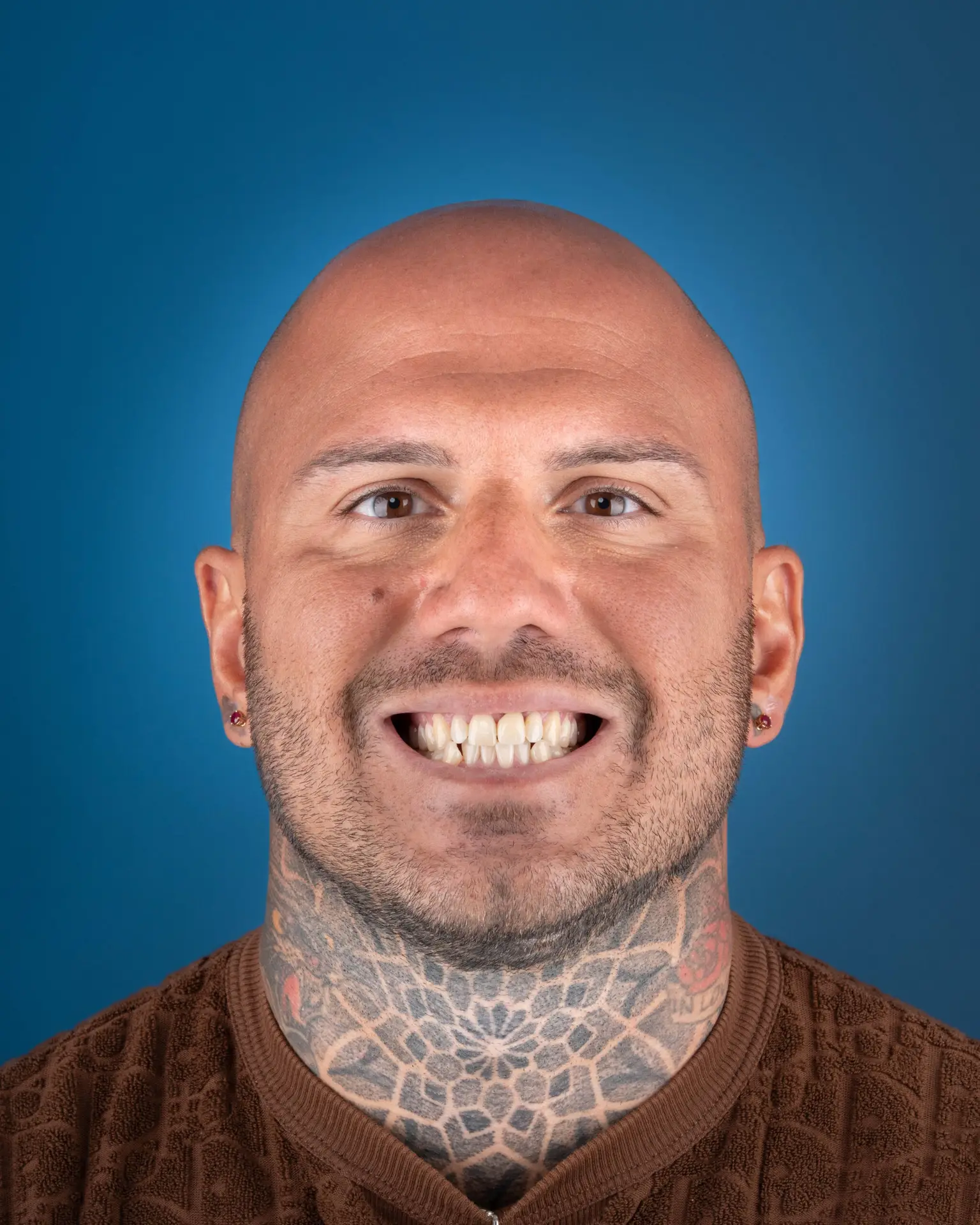




PATIENT JOURNEY
Your Journey with Medico Clinic
Embark on a carefully crafted journey where your comfort, safety, and satisfaction come first. From the very first consultation to post-treatment care, our dedicated team at Medico Clinic plans every step with precision to ensure you receive a world-class experience.

#1 -Online Consultation
Begin your journey with a detailed online consultation from the comfort of your home. In addition, our dedicated team of multilingual medical consultants is here to assist you—ensuring that language is never a barrier to understanding your unique needs.

#2- Arrival and Transfer
Upon arrival in Türkiye, experience a warm welcome from our professional team, who will assist you with a smooth, secure transfer to your accommodation. Choose from a selection of luxurious hotels carefully curated to provide you with the comfort and relaxation you deserve.

#3- Accommodation
Your accommodation has been selected with your comfort in mind, providing a serene and sophisticated environment for your stay. Each hotel is equipped with amenities designed to make you feel at ease, allowing you to relax and rejuvenate.
#4 - Clinical Consultation
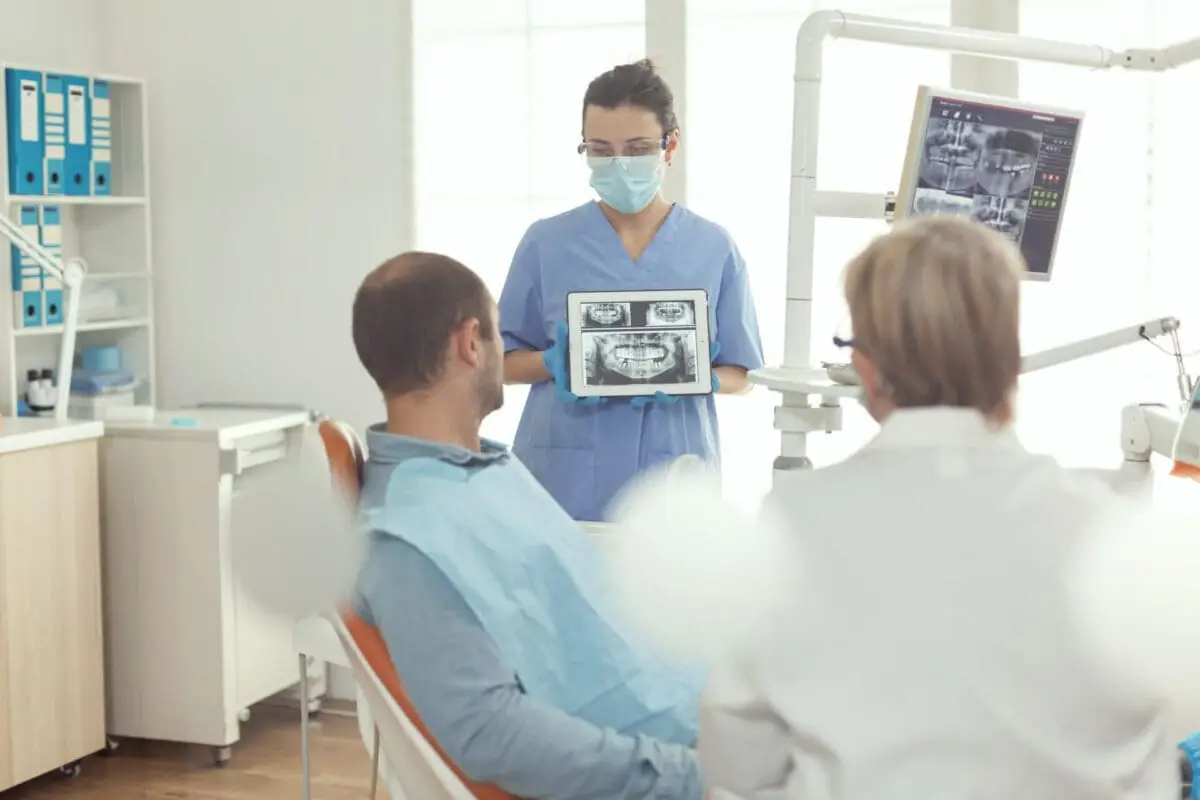
Our dentists take the time to understand your specific goals, reviewing every detail of your customized treatment plan. With a deep commitment to precision and care, they are here to answer any remaining questions and ensure you are fully prepared and comfortable with the next steps.
#5 - The Procedure
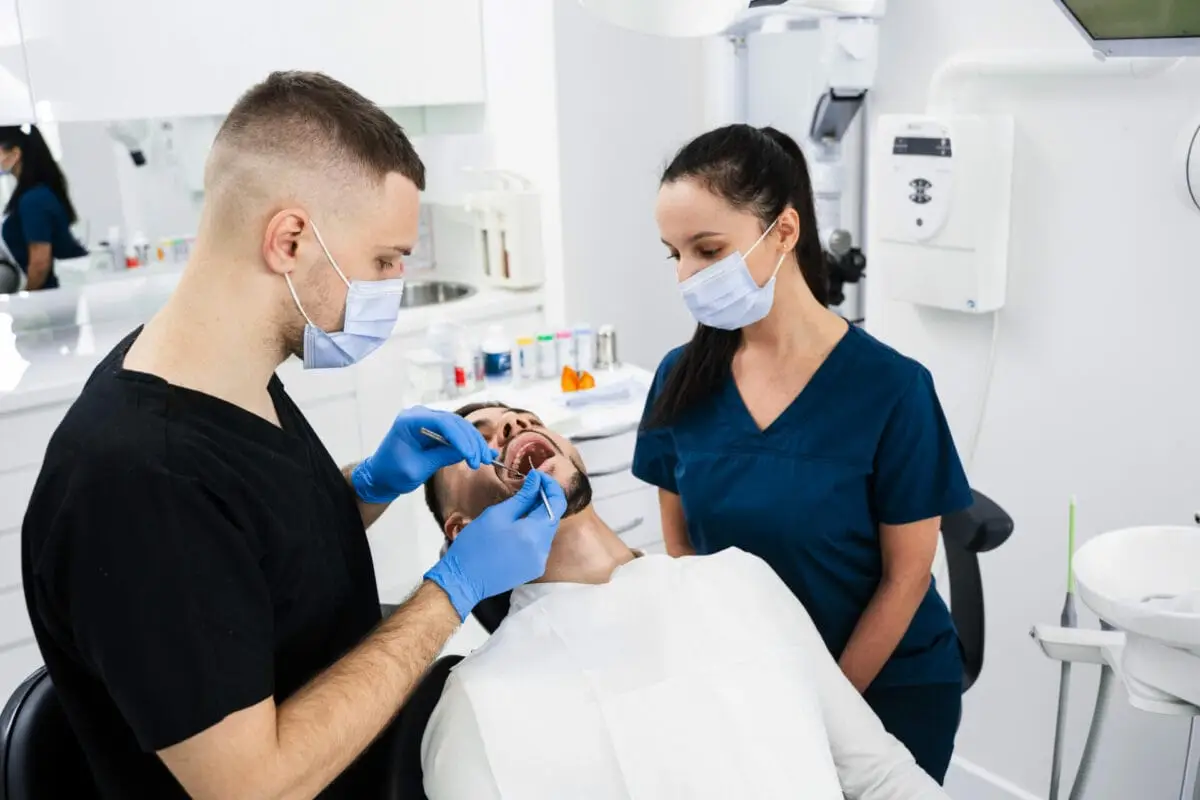
Your treatment is conducted by highly skilled surgeons and medical professionals who use the latest technology and advanced surgical techniques to ensure optimal results.
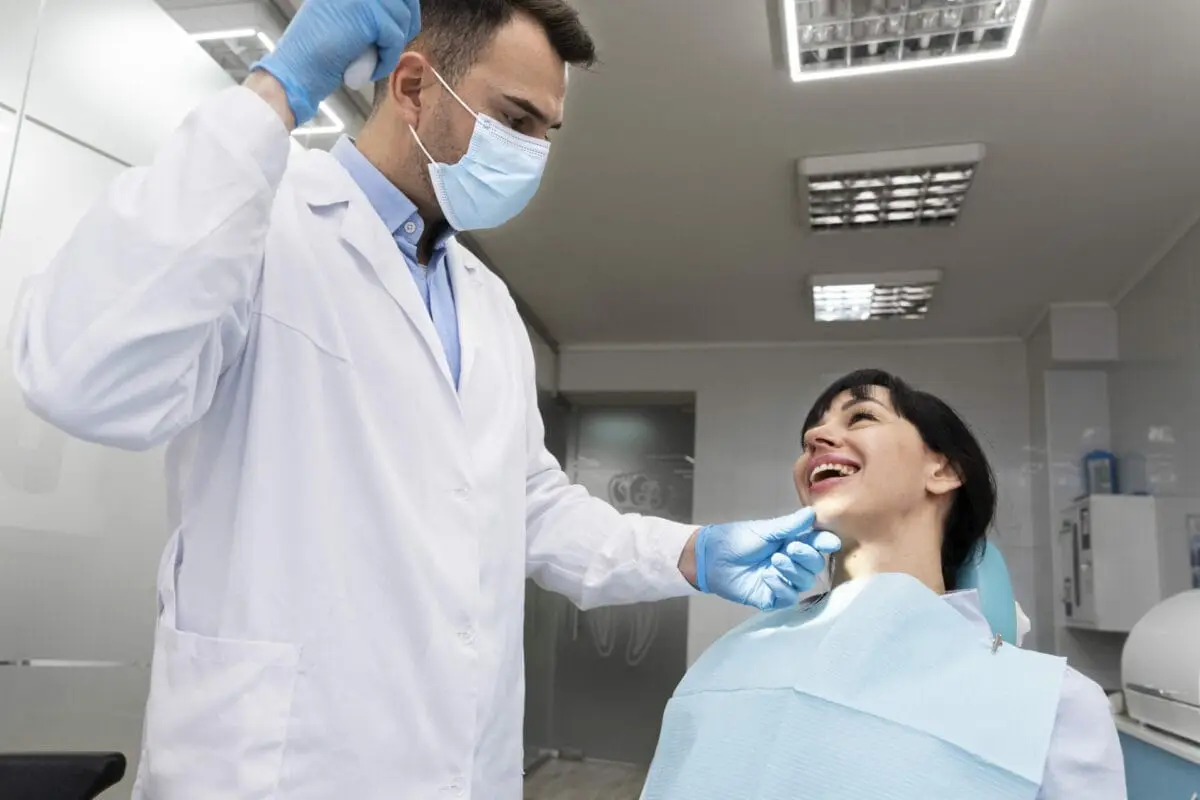
#6 - Check-Up
Following your treatment, our team performs a thorough post-procedure check-up to ensure your comfort and satisfaction. Our experienced doctors carefully monitor your progress and address any questions or concerns.

#7- Departure
As your journey concludes, depart with a renewed sense of confidence, knowing your experience was led by professionals who prioritize your care and comfort at every step. From your initial consultation to your final check-up, Medico Clinic is committed to delivering a seamless, exceptional experience.
Contact US
Get Your FREE Dental Report
Submit your info and get a quote personalized to your needs.
FAQS
Everything you need to know about Dental Crowns
Find quick answers to common questions about our dental crowns, procedures, and patient care in our FAQ section.
Yes. They are custom-made to match natural teeth in color and shape.
They typically improve speech by restoring proper tooth structure.
The procedure is performed under local anesthesia and is generally comfortable.
Care for a bridge as you would your natural teeth: brush twice daily, floss regularly, and avoid chewing hard foods on the crowned tooth to prevent damage.
Dental bridge can be done in one visit. Our dentists will provide you with the most suitable treatment plan for you.