
Istanbul 🇹🇷 | London 🇬🇧 | USA 🇺🇸| Bangkok 🇹🇭


Enhance Your Smile Naturally with Ceramic Veneers
Ceramic veneers are thin, tooth-colored shells designed to improve the appearance of teeth by correcting color, shape, size, and minor alignment issues. Crafted from high-quality ceramic materials, these veneers deliver a natural, balanced smile while preserving tooth structure and ensuring long-lasting aesthetic results.
More Affordable
0
%
Years Of Lasting Results
0
+





Overview and Key Benefits of Ceramic Veneers
How Ceramic Veneers Interact With Natural Teeth Over Time
One of the most important questions patients rarely think to ask is not how ceramic veneers will look on the day they are placed, but how they will behave years later. Dentistry does not end when treatment is completed. From that moment onward, restorations begin a long-term relationship with natural teeth, gums, and bite forces.
Ceramic veneers are designed to function in harmony with enamel rather than replacing it. Because they are bonded directly to the tooth surface, they rely on the health of the underlying enamel for stability and longevity. When enamel is preserved during preparation, the bond between tooth and veneer remains strong, predictable, and biologically respectful.
Over time, properly placed ceramic veneers do not weaken the tooth. Instead, they reinforce it by distributing forces evenly across the visible surface. This balanced interaction is one of the reasons ceramic veneers remain a preferred option for patients seeking aesthetic improvement without aggressive intervention.
The Role of Gum Health in Long-Term Veneer Success
Gums are not simply a background element in a smile. They frame the teeth and play a vital role in how veneers look and age. Even the most beautifully crafted ceramic veneer can lose its impact if gum health is compromised.
Before ceramic veneers are placed, gum tissue must be stable, healthy, and free of inflammation. This ensures that margins remain clean and predictable over time. Healthy gums adapt naturally to veneers, creating a seamless transition between tooth, restoration, and soft tissue.
At Medico Clinic, gum health is evaluated not only for safety, but for aesthetics. Subtle differences in gum contour can dramatically influence the balance of a smile. When necessary, gentle periodontal refinement is performed before veneers to ensure symmetry and long-term stability.
Ceramic Veneers and Bite Dynamics: Why Occlusion Matters
A smile is not static. Teeth come together thousands of times a day during chewing, speaking, and swallowing. These movements create forces that must be carefully managed, especially when veneers are involved.
Ceramic veneers are strong, but they are not designed to absorb excessive bite pressure. This is why occlusal analysis — the study of how teeth meet — is essential before treatment. Bite imbalances can place unnecessary stress on veneers, increasing the risk of chipping or debonding.
At Medico Clinic, bite dynamics are evaluated as part of every veneer case. Adjustments in shape, length, and contact points ensure that forces are distributed evenly. This functional harmony allows ceramic veneers to perform reliably without being overloaded.
Facial Movement and Smile Design: Beyond Static Beauty
A smile is not something that exists only in photographs. It moves with speech, laughter, and emotion. Ceramic veneers must be designed to accommodate this movement rather than restrict it.
Lip mobility, muscle activity, and facial expressions all influence how veneers are shaped and positioned. Teeth that look perfect at rest may appear unnatural if they do not move fluidly during expression.
This is why smile design at Medico Clinic extends beyond measurements and templates. It involves observing how patients speak, smile, and interact. Ceramic veneers are then shaped to complement these movements, ensuring that the smile feels alive rather than fixed.
Ceramic Veneers as Part of a Holistic Smile Strategy
Ceramic veneers rarely exist in isolation. In many cases, they are part of a broader treatment strategy that may include whitening, minor orthodontic alignment, gum contouring, or restorative care.
This holistic approach ensures that veneers integrate seamlessly into the overall oral environment. Treating only the visible surface without addressing underlying issues can compromise both aesthetics and longevity.
At Medico Clinic, ceramic veneers are planned within the context of the entire mouth, ensuring coherence rather than contrast.
Managing Expectations: What Ceramic Veneers Can and Cannot Do
One of the most important aspects of ethical cosmetic dentistry is expectation management. Ceramic veneers can dramatically improve color, shape, and symmetry, but they are not a solution for every dental concern.
They cannot correct severe bite misalignment, advanced tooth wear caused by grinding, or untreated gum disease on their own. In such cases, preparatory treatment is essential before veneers are considered.
Clear communication ensures that patients understand not only the benefits of ceramic veneers, but also their limitations. This transparency is a key element of trust and long-term satisfaction.
The Dental Laboratory Connection: Where Precision Becomes Art
The success of ceramic veneers depends not only on clinical skill, but also on laboratory craftsmanship. Dental technicians translate clinical data into physical restorations that must meet exacting standards.
At Medico Clinic, ceramic veneers are fabricated by experienced dental laboratories that specialize in aesthetic restorations. Detailed instructions regarding shape, translucency, surface texture, and color layering ensure that each veneer reflects the planned design.
This collaboration between clinician and technician is essential. A veneer is not manufactured; it is crafted.
Adaptation Period: How Patients Adjust to Ceramic Veneers
After placement, patients may experience a brief adaptation period. This is not discomfort, but awareness — the brain adjusting to subtle changes in tooth shape and surface.
Speech and chewing typically normalize quickly as muscle memory adapts. Properly designed veneers do not alter natural function; they enhance it.
Patients are guided through this transition with reassurance and clear aftercare instructions, ensuring a smooth and confident adjustment.
Long-Term Maintenance Philosophy
Ceramic veneers do not require complicated care routines. They thrive under the same conditions that support natural teeth: consistent oral hygiene, professional monitoring, and mindful habits.
Regular dental visits allow early detection of minor issues before they become significant. This proactive approach extends the life of veneers and protects underlying teeth.
At Medico Clinic, maintenance is framed as partnership rather than obligation. Patients are empowered with knowledge rather than restrictions.
Ceramic Veneers and Aging Gracefully
A well-designed smile should age with the patient, not against them. Ceramic veneers are selected and shaped to remain appropriate as facial features evolve over time.
Extremely bright or exaggerated designs may look appealing initially but can appear unnatural as years pass. Ceramic veneers excel in subtlety, allowing smiles to remain elegant and believable.
This long-term perspective is central to Medico Clinic’s aesthetic philosophy.
Ceramic Veneers for Patients Seeking Natural Authority, Not Perfection
Many patients today are not looking for dramatic transformation. They want to look healthy, confident, and polished — not artificial. Ceramic veneers align perfectly with this mindset.
They offer refinement rather than reinvention, strength without heaviness, and beauty without excess. For the right patient, they represent one of the most satisfying aesthetic dental solutions available.
Final Perspective: Why Ceramic Veneers Remain a Timeless Choice
Trends in cosmetic dentistry come and go, but ceramic veneers remain relevant because they respect fundamental principles: biology, balance, and proportion.
When designed and placed responsibly, they enhance smiles in a way that feels natural, stable, and emotionally reassuring.
Book your free consultation today to explore whether ceramic veneers are the right long-term solution for your smile at Medico Clinic.
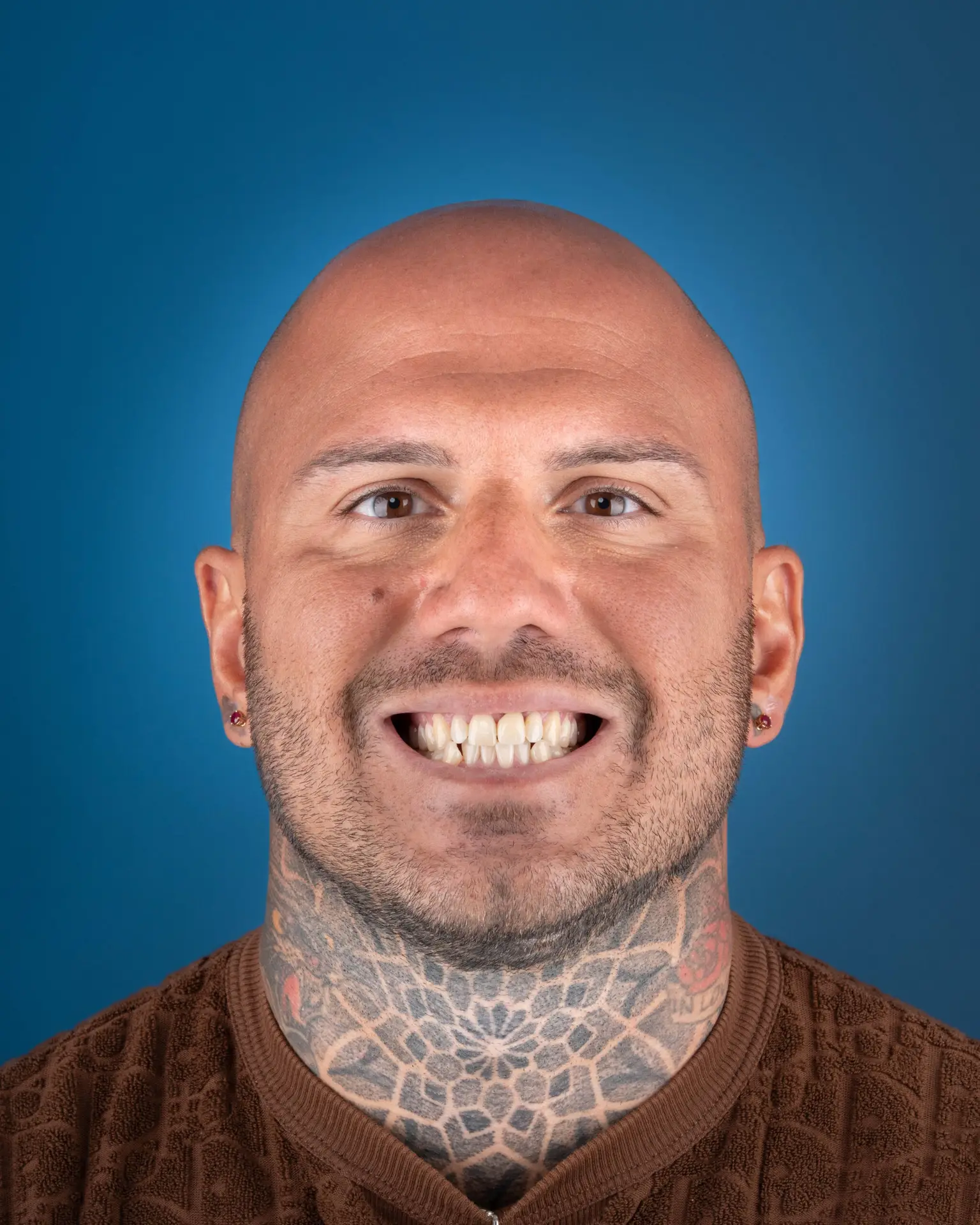
SEE THE TRANSFORMATION
Stunning results that showcase the life changing impact




PATIENT JOURNEY
Your Journey with Medico Clinic
Embark on a carefully crafted journey where your comfort, safety, and satisfaction come first. From a detailed online consultation to personalized treatment and dedicated post-care, every step with Medico Clinic is designed to provide a world-class experience.

#1 -Online Consultation
Begin your journey with a detailed online consultation from the comfort of your home. Our dedicated team of multilingual medical consultants is here to assist you to ensure that language is never a barrier to understanding your unique needs.

#2- Arrival and Transfer
Upon arrival in Türkiye, experience a warm welcome from our professional team, who will assist you with a smooth, secure transfer to your accommodation. Choose from a selection of luxurious hotels carefully curated to provide you with the comfort and relaxation you deserve.

#3- Accommodation
Your accommodation has been selected with your comfort in mind, providing a serene and sophisticated environment for your stay. Each hotel is equipped with amenities designed to make you feel at ease, allowing you to relax and rejuvenate.
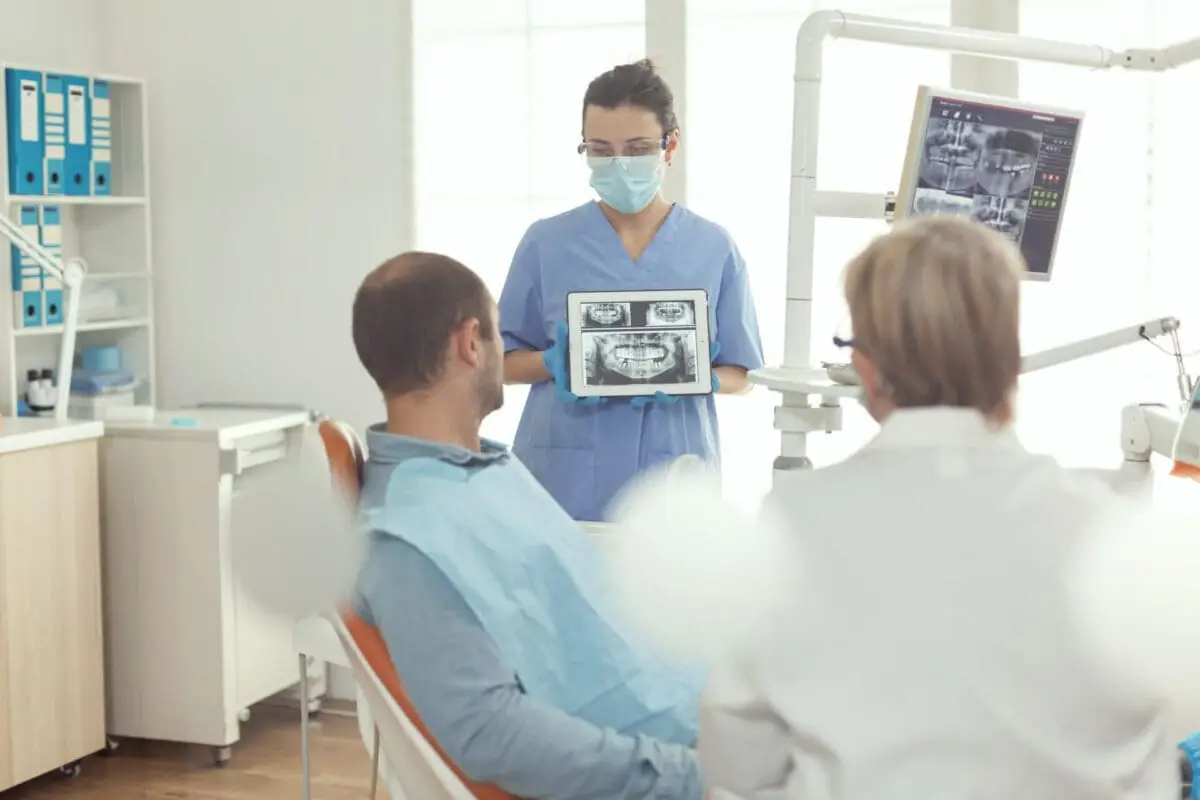
#4 - Clinical Consultation
Our dentists take the time to understand your specific goals, reviewing every detail of your customized treatment plan. With a deep commitment to precision and care, they are here to answer any remaining questions and ensure you are fully prepared and comfortable with the next steps.
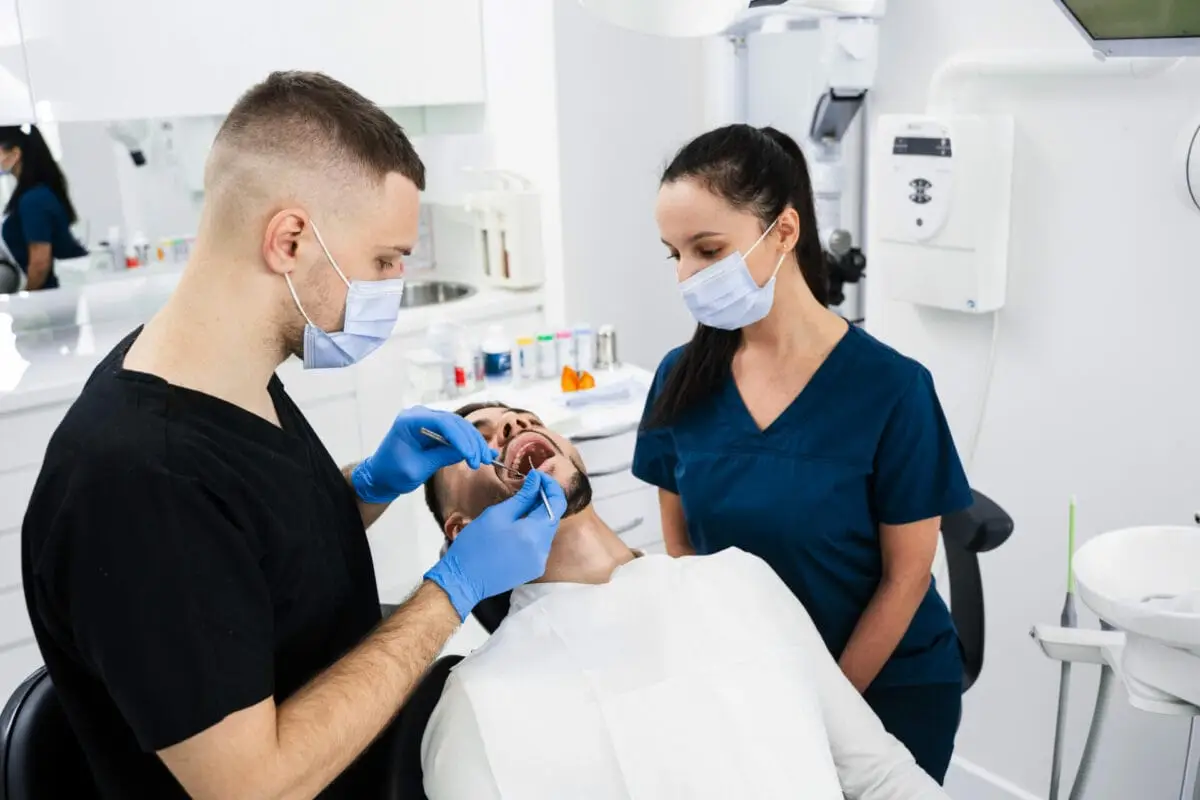
#5 - The Procedure
Your treatment is conducted by highly skilled surgeons and medical professionals who use the latest technology and advanced surgical techniques to ensure optimal results.
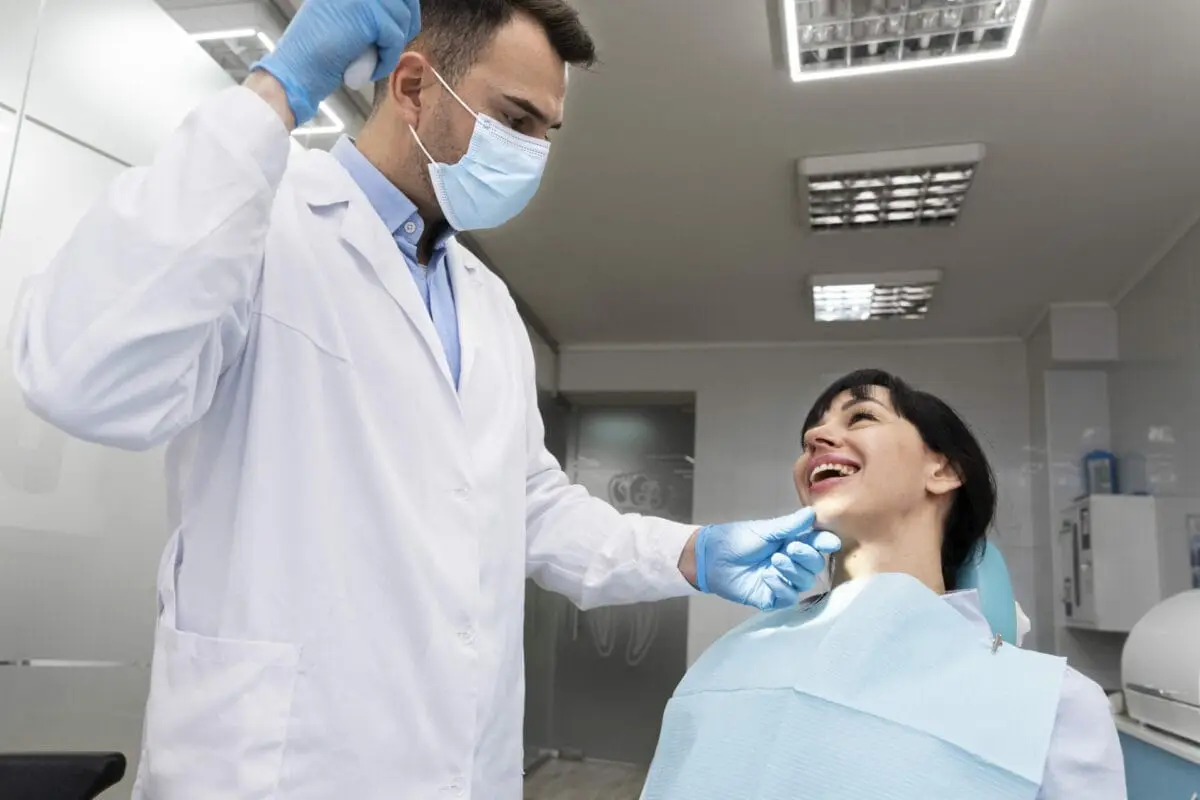
#6 - Check-Up
Following your treatment, our team performs a thorough post-procedure check-up to ensure your comfort and satisfaction. Our experienced doctors carefully monitor your progress and address any questions or concerns.

#7- Departure
As your journey concludes, depart with a renewed sense of confidence, knowing your experience was led by professionals who prioritize your care and comfort at every step. From your initial consultation to your final check-up, Medico Clinic is committed to delivering a seamless, exceptional experience.
Contact US
Get Your FREE Dental Report
Submit your info and get a quote personalized to your needs.
FAQS
Everything you need to know about Ceramic Veneers
Find quick answers to common questions about our ceramic veneers, procedures, and patient care in our FAQ section.
Yes. Ceramic materials closely mimic natural enamel color and translucency.
They are highly resistant to staining with proper oral hygiene.
With proper care, porcelain veneers can last 10-15 years or more, while composite veneers generally last around 5-7 years.
Caring for veneers is similar to caring for natural teeth: brush and floss daily, avoid biting hard objects, and maintain regular dental check-ups.
Veneers are generally considered a permanent treatment, as a small amount of enamel is removed to place them. It's essential to discuss the long-term commitment with your dentist.