Teeth Whitening: Restoring Natural Brightness Without Compromising Tooth Health
Teeth whitening is often described as a quick cosmetic fix, something done before an event or as a finishing touch to a smile makeover. Yet for many patients, the desire to whiten teeth develops slowly, shaped by years of subtle changes that affect how they feel when they smile. Coffee habits, tea, red wine, smoking, aging, and even certain medications gradually alter tooth color, often without people noticing the exact moment it happens. One day, the reflection in the mirror no longer feels as fresh or vibrant as it once did.
At Medico Clinic, teeth whitening is not treated as a superficial enhancement, but as a medical-aesthetic procedure that respects enamel biology, tooth sensitivity, and long-term oral health. The purpose is not to force teeth into an unnatural shade, but to restore brightness safely, allowing the smile to look refreshed, healthy, and believable.
Understanding Why Teeth Change Color Over Time
Tooth discoloration is not a sign of poor hygiene. Even patients with excellent oral care experience gradual color changes over the years. Teeth are porous structures composed of enamel and dentin, and these layers interact with pigments from everyday life.
External stains form on the enamel surface due to food, beverages, and smoking. Internal discoloration develops deeper within the tooth structure, often related to aging, trauma, or developmental factors. As enamel thins slightly over time, the naturally darker dentin beneath becomes more visible, giving teeth a yellow or dull appearance.
Teeth whitening works by addressing these internal and external changes, but it must be done with respect for how teeth are built, not against them.
The Emotional Motivation Behind Teeth Whitening
For many patients, teeth whitening is not about dramatic change. It is about feeling comfortable smiling without hesitation. Discolored teeth often create subtle self-consciousness, leading people to smile less openly or avoid showing their teeth in photographs.
This emotional effect accumulates quietly. Teeth whitening often becomes the first step patients take toward reclaiming confidence, because it offers visible improvement without altering tooth shape or structure.
When whitening is done correctly, patients often describe feeling “refreshed” rather than transformed — as if their smile has returned to its natural state.
Teeth Whitening Is a Medical Decision, Not a Cosmetic Shortcut
The widespread availability of over-the-counter whitening products has created the illusion that all whitening methods are equal. In reality, unsupervised whitening can lead to sensitivity, uneven results, or damage to enamel if used incorrectly.
Professional teeth whitening begins with clinical evaluation. Not all discoloration responds the same way to whitening agents, and not all teeth are suitable candidates. Existing restorations, enamel thickness, gum health, and sensitivity history must all be considered.
At Medico Clinic, whitening is recommended only when it can be performed safely and predictably.
Types of Teeth Whitening and Their Medical Purpose
There is no single whitening method suitable for everyone. Whitening approaches vary depending on the cause of discoloration, patient expectations, and tooth condition.
In-office whitening offers controlled, high-strength treatment under professional supervision, allowing significant improvement in a short time. Take-home whitening systems provide gradual change with lower concentrations, offering flexibility and comfort. Some cases benefit from a combined approach for stability and longevity.
The choice of method is guided by biology and lifestyle, not convenience alone.
Why Professional Whitening Looks More Natural
One of the most common fears patients express is ending up with teeth that look unnaturally white. This outcome is usually the result of improper shade selection or over-whitening.
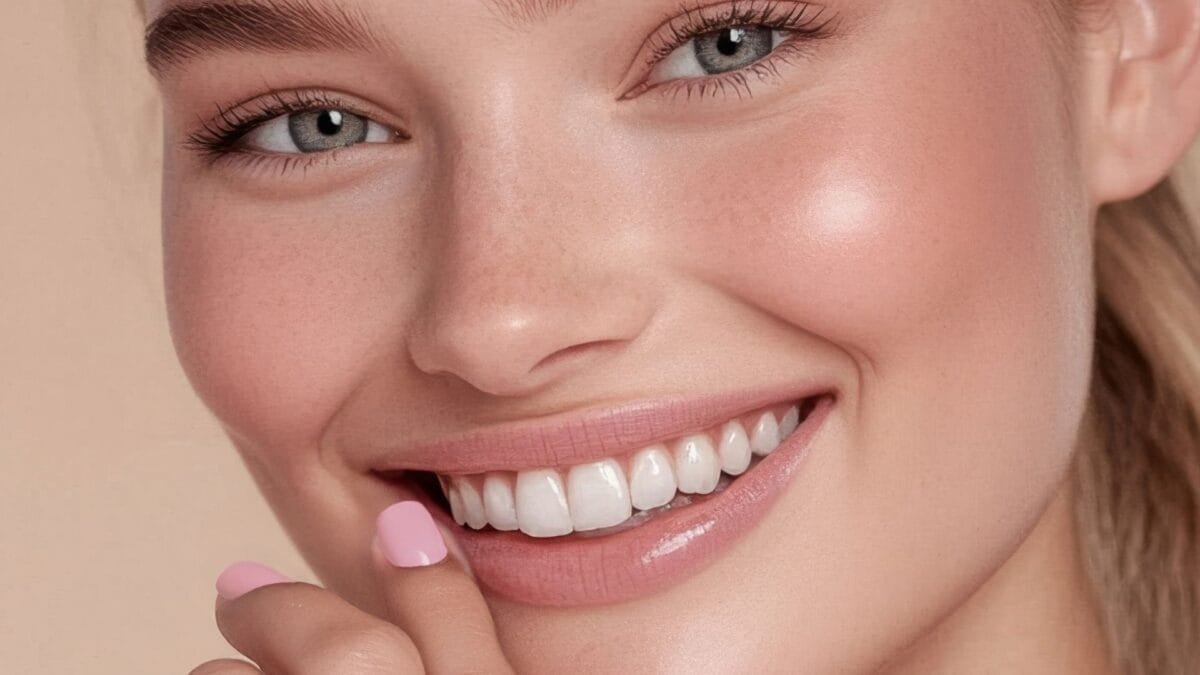
Professional whitening focuses on natural brightness, not artificial whiteness. Teeth are evaluated in relation to skin tone, lip color, and facial features to determine an appropriate target shade. The goal is harmony, not contrast.
A successful whitening result blends seamlessly with the face, looking healthy in natural light rather than stark or opaque.