
+28,000 Smiles and Counting — Istanbul 🇹🇷 | London 🇬🇧

Återställ tändernas hållfasthet och utseende med tandkronor
Tandkronor ger dig ett starkt och naturligt sätt att återställa och skydda tänder som är skadade, angripna av röta eller försvagade. Vårt erfarna tandläkarteam undersöker noggrant ditt bett, preparerar tanden och placerar kronan med precision - med hjälp av högkvalitativa material som smälter in sömlöst med dina naturliga tänder. Tack vare detta praktiska tillvägagångssätt återfår du full funktion och estetik och kan bita, tugga och le med varaktigt självförtroende.
Mer Prisvärt
0
%
Resultat Som Håller i åratal
0
+





Översikt och viktiga fördelar med tandkronor
Dental crowns are one of the most effective and versatile solutions in modern dentistry, designed to restore damaged, weakened, or aesthetically imperfect teeth. At Medico Clinic, we provide high-quality dental crowns in Turkey using advanced materials and precise digital technology to deliver natural-looking, long-lasting results.
Whether your tooth is cracked, heavily filled, worn down, or discolored, a dental crown can protect it while improving both function and appearance.
What Is a Dental Crown?
A dental crown is a custom-made protective cap that fully covers a tooth above the gum line. It restores the tooth’s original shape, size, strength, and color while protecting it from further damage.
Unlike fillings that repair only part of the tooth, a crown encases the entire visible structure, making it ideal for teeth that are structurally compromised or require major cosmetic improvement.
Teeth are exposed to constant pressure. Every day, they endure thousands of chewing cycles, temperature changes, and mechanical stress. Over time, decay, large fillings, trauma, or wear can weaken their internal structure. When this happens, the tooth may still be present, but its ability to function safely is compromised. Dental crowns were designed to step in at this precise stage, reinforcing the tooth before fracture, infection, or tooth loss becomes inevitable.
At Medico Clinic, crowns are approached not as a routine procedure, but as preventive structural rehabilitation, aimed at extending the life of natural teeth for as long as possible.
Understanding Tooth Weakness: Why Teeth Fail Over Time
To understand the importance of dental crowns, it is essential to understand how and why teeth weaken. A natural tooth is strongest when it is intact. However, every filling removes a portion of natural enamel. Over time, multiple restorations, deep decay, or cracks reduce the tooth’s ability to absorb pressure evenly.
This weakening process is often invisible to patients. Teeth rarely “warn” before they fail. A tooth may feel normal until the moment it fractures while chewing, sometimes below the gum line, making it impossible to save. In many cases, this outcome could have been prevented with timely crown placement.
Dental crowns act as a protective shell, redistributing chewing forces across the entire tooth rather than allowing pressure to concentrate in weakened areas. This is why crowns are not about repairing damage that has already happened, but about preventing catastrophic failure.
Dental Crowns as a Medical Decision, Not a Cosmetic One
Although dental crowns can dramatically improve appearance, their primary role is medical. A crown restores the structural integrity of a tooth, seals it against bacteria, and stabilizes it within the bite. A crown that looks perfect but ignores function can create new problems, including jaw discomfort, uneven wear, and damage to neighboring teeth.
At Medico Clinic, crown planning always begins with function. Bite forces, jaw movement, and tooth position are carefully analyzed before aesthetics are even considered. Only once the tooth is structurally stable does cosmetic refinement take place.
This approach ensures that beauty is a result of health, not a substitute for it.
When Is a Dental Crown Truly Necessary?
Crowns are most commonly recommended when a tooth has lost a significant portion of its natural structure. This often occurs after large fillings, root canal treatment, fractures, or extensive wear from grinding. In these cases, leaving the tooth uncovered places it at high risk of breaking.
Crowns are also essential in implant dentistry, where they serve as the visible part of an implant restoration, and in bridge treatments, where they act as anchors supporting missing teeth.
What matters most is timing. Placing a crown at the right moment can preserve a tooth for decades. Waiting too long can result in tooth loss and the need for implants or more complex treatments.
The Biological Role of Dental Crowns in Oral Health
Beyond mechanics, crowns play a crucial biological role. A compromised tooth often contains microscopic cracks or gaps that allow bacteria to penetrate deep into the structure. Over time, this can lead to inflammation, infection, or abscess formation.
By fully covering and sealing the tooth, a crown creates a stable biological environment. This reduces bacterial access, protects the underlying tooth structure, and supports gum health around the restoration.
In this sense, crowns act as both a shield and a stabilizer, preserving not only the tooth itself but the surrounding tissues as well.
Dental Crown Treatment as a Step-by-Step Process
Crown treatment is never a single appointment solution. It is a carefully sequenced process that prioritizes precision at every stage. After thorough examination and imaging, the tooth is prepared conservatively, removing only what is necessary to create a stable foundation.
Digital scans or impressions capture the exact anatomy of the prepared tooth, ensuring that the crown fits with microscopic accuracy. During the interim period, a temporary crown protects the tooth and maintains function.
Once the final crown is placed, meticulous adjustments ensure that the bite feels natural and balanced. A properly fitted crown should never feel “new” or foreign. It should feel like the tooth has simply been restored to its original strength.
Dental Crown Materials: Why Material Choice Defines Longevity
The material used for a dental crown directly affects how it behaves under pressure, how it reflects light, and how it ages over time. There is no universal “best” material — only the most appropriate one for each tooth.
Zirconium-based crowns are often chosen when strength is the primary concern. They are highly resistant to fracture and wear, making them suitable for back teeth or patients with strong bite forces. Modern zirconium materials are layered to achieve natural aesthetics, eliminating the opaque appearance of earlier generations.
E-max crowns are valued for their optical properties. Their translucency closely mimics natural enamel, making them ideal for front teeth where visual realism is critical. Ceramic crowns offer a balance between strength and aesthetic flexibility, often used in cases where subtle color control is essential.
At Medico Clinic, material selection is guided by how the tooth will function, not just how it will look.
Crowns After Root Canal Treatment: A Critical Relationship
Teeth that have undergone root canal treatment require special consideration. Without a blood supply, these teeth become more brittle and susceptible to fracture. A crown is almost always necessary to protect a root-canal-treated tooth and allow it to continue functioning safely.
Failing to place a crown after root canal therapy significantly increases the risk of tooth loss. A well-designed crown, however, can extend the life of such teeth for many years.
Le corone dentali e l’integrazione estetica
In visible areas of the smile, crowns must integrate seamlessly with natural teeth. This involves more than matching color. Shape, surface texture, translucency, and edge design all influence whether a crown appears natural.
At Medico Clinic, crown aesthetics are approached with restraint. The goal is not to make teeth stand out, but to make restorations invisible. A successful crown should be indistinguishable from surrounding teeth, even under close observation.
Bite Balance and Long-Term Comfort
A crown that disrupts bite balance can cause long-term discomfort, jaw tension, or uneven wear. This is why occlusal analysis is a core part of crown treatment.
Every crown is adjusted to distribute forces evenly across the bite, ensuring comfort during chewing and preventing stress on adjacent teeth. This functional precision is essential for long-term success.
Living With Dental Crowns: What Patients Experience
Once placed, a properly designed crown becomes part of daily life. Patients eat, speak, and smile without awareness of the restoration. There are no special maintenance requirements beyond good oral hygiene and regular dental visits.
Crowns are designed to feel natural, not artificial. When placed correctly, they restore confidence rather than demand attention.
Longevity, Aging, and Maintenance of Dental Crowns
Dental crowns are designed to last many years, often more than a decade. Their lifespan depends on material choice, bite forces, oral hygiene, and regular professional care.
High-quality crowns age gracefully, maintaining color stability and surface integrity. Patients are guided on how to protect their restorations and maximize longevity through realistic daily habits.
Dental Crowns for International Patients in Turkey
Many international patients choose Turkey for crown treatment due to advanced technology and experienced clinicians. However, long-term success depends on precision and communication, not speed.
At Medico Clinic, international patients receive clear explanations, structured treatment planning, and aftercare guidance designed for long-term stability — not just immediate results.
Why Dental Crowns Should Never Be Rushed
Crowns require time to be done correctly. Rushed preparation, poor material choice, or inadequate bite adjustment often lead to complications that could have been avoided.
At Medico Clinic, crown treatment is paced deliberately, ensuring accuracy at every stage and protecting long-term outcomes.
Dental Crowns as a Foundation for Future Treatments
Crowns often serve as building blocks for other treatments, including bridges, implants, and smile makeovers. Properly designed crowns support future dental work rather than limiting options.
This forward-thinking approach ensures that today’s treatment does not create tomorrow’s problems.
Why Choose Medico Clinic for Dental Crowns in Turkey
Dental crowns require a balance of medical judgment, technical precision, and aesthetic sensitivity. At Medico Clinic, crowns are designed as part of a long-term oral health strategy, not as isolated procedures.
Every decision is guided by function, biology, and patient trust.
Preserving Teeth Is Always the First Goal
Dental crowns exist to protect what remains. They preserve natural teeth, maintain function, and support confident living.
When planned responsibly, crowns are not a compromise — they are a commitment to long-term oral health.
Boka din kostnadsfria onlinekonsultation idag. and restore your teeth with clarity, precision, and medical responsibility at Medico Clinic.
SE TRANSFORMATIONEN
Fantastiska resultat som visar på livsförändrande påverkan





PATIENTRESA
Din Resa med Medico Clinic
Följ med på en noggrant utformad resa där din komfort, säkerhet och tillfredsställelse kommer i första hand. Från den allra första konsultationen till efterbehandlingen planerar vårt hängivna team på Medico Clinic varje steg med precision för att säkerställa att du får en upplevelse i världsklass.

# 1 - Online-Konsultation
Börja din resa med en detaljerad onlinekonsultation från bekvämligheten av ditt hem. Dessutom finns vårt dedikerade team av flerspråkiga medicinska konsulter här för att hjälpa dig - så att språket aldrig är ett hinder för att förstå dina unika behov.

#2 - Ankomst Och Transfer
Vid ankomsten till Turkiet får du ett varmt välkomnande av vårt professionella team, som hjälper dig att smidigt och säkert ta dig till boendet. Välj bland olika lyxiga hotell, noggrant utvalda för att ge den komfort och avkoppling du förtjänar.

#3 - Boende
Ditt boende har valts med din trivsel i åtanke, vilket ger en lugn och sofistikerad miljö för din vistelse. Varje hotell är utrustat med bekvämligheter som är utformade för att du ska känna dig trygg, så att du kan koppla av och återhämta dig.

#4 - Klinisk Konsultation
Våra tandläkare tar sig tid att förstå dina specifika mål och går igenom varje detalj i din skräddarsydda behandlingsplan. Med djupt engagemang för precision och omsorg finns de till hands för att svara på eventuella kvarstående frågor och se till att du är väl förberedd och bekväm med nästa steg.

#5 - Behandling
Din behandling utförs av högkvalificerade kirurger och medicinsk personal som använder den senaste tekniken och avancerade kirurgiska tekniker för att säkerställa optimala resultat.
#6 - Efterkontroll
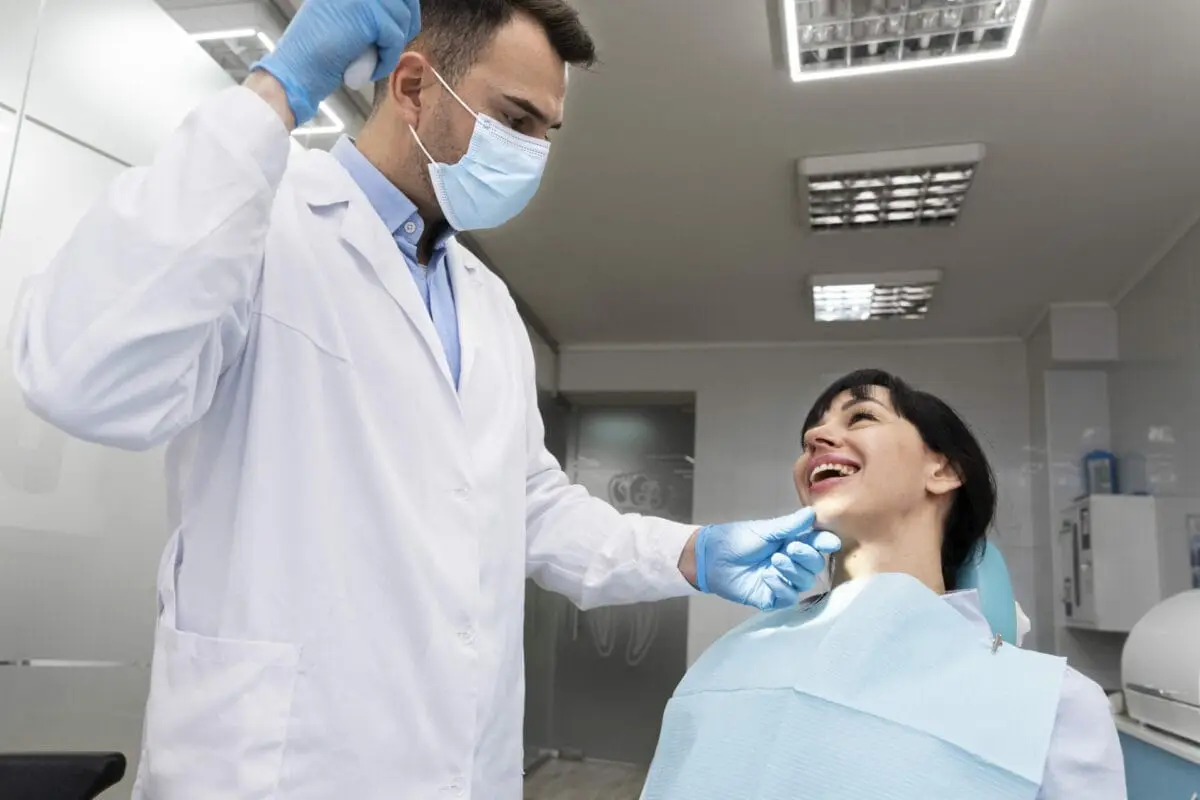
Efter behandlingen utför vårt team en grundlig efterkontroll, för att säkerställa att allt känns bra och att du är nöjd. Våra erfarna läkare övervakar noggrant utvecklingen och hanterar eventuella frågor eller funderingar.

#7- Avgång
När din resa avslutas kan du åka hem med en känsla av tillit, i vetskap om att din upplevelse leddes av proffs som vid varje steg prioriterar din omvårdnad och ditt välbefinnande. Medico Clinic har som målsättning att leverera en problemfri, exceptionell upplevelse, från den inledande konsultationen till den slutliga kontrollen.
KONTAKTA OSS
Få Din KOSTNADSFRIA Tandläkarrapport
Skicka in dina uppgifter och få en offert som är anpassad efter dina behov.
Vanliga Frågor
Allt du behöver veta om tandkronor
Hitta snabba svar på vanliga frågor om våra tandkronor, procedurer och patientvård i vårt FAQ-avsnitt.
En tandkrona är ett lock som placeras över en skadad eller försvagad tand för att återställa dess styrka och utseende. Det behövs ofta för tänder med stora fyllningar, svår karies eller efter en rotfyllning.
Tandkronor kan tillverkas av material som porslin, keramik, metall och zirkonia. Din tandläkare kommer att rekommendera det bästa materialet baserat på estetik, styrka och funktionalitet.
Med god munhygien och regelbundna kontroller kan tandkronor hålla i 10-15 år eller längre. Livslängden beror på materialet och den vård som ges.
Sköt om en krona på samma sätt som dina naturliga tänder: borsta två gånger dagligen, använd tandtråd regelbundet och undvik att tugga hårda livsmedel på den kronförsedda tanden för att förhindra skador.
Tandkronor kan göras vid ett besök. Våra tandläkare kommer att ge dig den behandlingsplan som passar dig bäst.