
+28,000 Smiles and Counting — Istanbul 🇹🇷 | London 🇬🇧

Restore the Natural Look and Function of Your Teeth with Porcelain Crowns
Porcelain crowns are tooth-colored dental restorations designed to repair damaged, weakened, or aesthetically compromised teeth. They are carefully crafted to match the shape, color, and translucency of natural teeth—helping restore both function and appearance while maintaining a harmonious smile.
Mer Prisvärt
0
%
Resultat Som Håller i åratal
0
+





What Are Porcelain Crowns?
A porcelain crown is rarely chosen in moments of urgency, yet it often arrives at a critical point in a tooth’s life. Most patients who need porcelain crowns have already experienced a gradual loss of tooth integrity — not sudden failure, but slow compromise caused by decay, fractures, large restorations, or long-standing functional stress. By the time a crown is recommended, the tooth is no longer weak, but vulnerable, and the decision to restore it becomes one of preservation rather than enhancement.
At Medico Clinic, porcelain crowns are approached as restorative medical solutions, not cosmetic upgrades. Their role is to rebuild strength, restore function, and re-establish natural appearance in cases where simpler treatments can no longer provide predictable outcomes.
Understanding What a Porcelain Crown Truly Is
A porcelain crown is a full-coverage restoration designed to encase the entire visible portion of a tooth, protecting it from further damage while restoring its shape, strength, and appearance. Unlike veneers, which cover only the front surface, or fillings, which replace lost internal structure, a crown functions as a protective shell, redistributing biting forces evenly across the tooth.
Porcelain crowns may be fabricated entirely from ceramic materials or layered over a supportive substructure, depending on the clinical indication. The defining characteristic is their porcelain exterior, which allows for natural color, translucency, and aesthetic integration with surrounding teeth.
This balance between structural reinforcement and visual harmony is what makes porcelain crowns a cornerstone of restorative dentistry.
The Medical Journey That Leads to a Porcelain Crown
Teeth do not suddenly “need crowns.” The path toward crown placement is usually gradual and often predictable when understood biologically. Large fillings weaken remaining enamel. Repeated restorations reduce structural integrity. Cracks form beneath the surface, invisible to the eye but dangerous under chewing forces.
In many cases, patients experience intermittent sensitivity or discomfort that comes and goes, masking the underlying risk. By the time a tooth fractures visibly, restoration options may already be limited.
Placing a porcelain crown before catastrophic failure is a preventive medical decision. It protects the tooth while preservation is still possible.
Why Fillings Are Sometimes No Longer Enough
Dental fillings are excellent for small to moderate defects, but they rely on surrounding tooth structure for support. As the size of a filling increases, the remaining enamel becomes thinner and more susceptible to fracture.
At a certain threshold, placing another filling becomes risky. The tooth may appear restored, yet functionally it is weakened. Porcelain crowns solve this problem by splinting the tooth together, reducing flexion and distributing stress more evenly.
This transition from filling to crown is not a failure of dentistry; it is a natural progression of responsible care.
Tooth Preparation for Porcelain Crowns: A Medical Balancing Act
Preparing a tooth for a porcelain crown is one of the most critical stages of treatment, because it permanently alters tooth structure. The goal is not to remove as much tooth as possible, but to remove only what is necessary to create space for the crown while preserving long-term stability.
Porcelain requires uniform thickness to avoid fracture, which means preparation must be precise and symmetrical. Over-reduction weakens the tooth; under-reduction compromises crown strength and aesthetics.
At Medico Clinic, preparation is guided by:
Remaining enamel and dentin strength
Bite force and chewing patterns
Position of the tooth in the arch
Relationship with neighboring teeth
This is where restorative dentistry becomes both medical science and applied judgment.
Table: When Porcelain Crowns Are the Correct Medical Choice
| Clinical Situation | Filling | Veneer | Porcelain Crown |
|---|---|---|---|
| Large decay | ❌ | ❌ | ✔ Recommended |
| Cracked tooth | ❌ | ❌ | ✔ Recommended |
| Post–root canal tooth | ❌ | ❌ | ✔ Recommended |
| Severe discoloration | ❌ | ⚠ Limited | ✔ Effective |
| Structural weakness | ❌ | ❌ | ✔ Protective |
This table illustrates that porcelain crowns are chosen when structural protection becomes the priority, not aesthetics alone.
Porcelain Crowns After Root Canal Treatment
Teeth that undergo root canal treatment lose internal blood supply and hydration, making them more brittle over time. While the pain may be resolved, the tooth becomes structurally vulnerable.
Porcelain crowns play a critical role in these cases by reinforcing the remaining tooth and preventing vertical fracture, which often leads to tooth loss. Delaying crown placement after a root canal significantly increases the risk of failure.
This is one of the most common and medically justified indications for porcelain crowns.
The Role of Porcelain in Natural Aesthetics
Porcelain has been used in dentistry for decades because of its ability to mimic natural enamel. When layered correctly, it reflects and transmits light in a way that blends seamlessly with adjacent teeth.
Unlike opaque materials, porcelain can be customized for:
Subtle color gradients
Translucent incisal edges
Natural surface texture
This allows crowns to restore not just function, but visual continuity within the smile.
Dental Laboratory Craftsmanship: Where Medicine Becomes Precision
Once preparation is complete, the success of a porcelain crown depends heavily on laboratory execution. Dental technicians reconstruct anatomy based on impressions or digital scans, translating clinical data into a functional restoration.
They consider:
Occlusal anatomy for chewing efficiency
Contact points to prevent food impaction
Cervical margins for gum health
Color layering for realism
A porcelain crown is not manufactured; it is built with medical intent.
Patient Storytelling: The Moment of Trust
Many patients approach crown treatment with hesitation, worried that the tooth will feel artificial or noticeable. This concern often fades during the provisional phase, when temporary crowns allow patients to experience restored function.
There is usually a moment — often during eating or speaking — when the patient realizes the tooth no longer feels fragile. This sense of stability creates trust, not just in the restoration, but in the decision itself.
Porcelain crowns succeed when patients stop protecting the tooth subconsciously.
Table: Porcelain Crowns vs E-Max vs Zirconium (Clinical View)
| Funktion | Porcelain Crowns | E-Max Crowns | Kronor av zirkonium |
|---|---|---|---|
| Aesthetic realism | High | Very high | Moderate–high |
| Strength | High | Moderate–high | Very high |
| Best for front teeth | ✔ | ✔✔ | ⚠ Case-dependent |
| Best for back teeth | ✔ | ⚠ | ✔✔ |
| Tooth reduction | Moderate | Conservative | Moderate |
This comparison helps patients understand why different crown materials exist rather than assuming one is universally superior.
Bite Adjustment and Long-Term Comfort
A crown’s longevity depends not only on material, but on how it fits into the bite. After placement, the bite is carefully adjusted so the crown does not receive excessive force.
Uneven bite pressure is one of the most common causes of crown failure. Proper adjustment protects the restoration, adjacent teeth, and jaw joints.
At Medico Clinic, occlusal harmony is treated as a medical necessity, not a finishing step.
Longevity and Aging of Porcelain Crowns
Porcelain crowns are designed to last many years when placed appropriately and maintained well. Their surfaces resist staining, and their appearance remains stable over time.
Longevity depends on:
Oral hygiene
Bite forces
Regular professional monitoring
Patients receive guidance focused on protection, not restriction.
Porcelain Crowns for International Patients
For international patients, porcelain crowns offer a reliable balance between durability and aesthetics within structured treatment timelines. When planned properly, treatment can be completed efficiently without compromising precision.
At Medico Clinic, international patients receive clear scheduling, provisional planning, and aftercare guidance to ensure confidence after returning home.
Ethical Responsibility in Crown Dentistry
Crowns should never be placed unnecessarily. Over-crowning healthy teeth compromises long-term oral health.
Ethical restorative dentistry means recommending porcelain crowns only when structural protection is required and simpler treatments are no longer sufficient.
Final Medical Perspective: Porcelain Crowns as Structural Insurance
A porcelain crown is not an aesthetic accessory. It is a protective intervention that stabilizes a tooth at the moment where preservation is still possible.
When chosen correctly, prepared precisely, and integrated harmoniously into the bite, a porcelain crown restores strength, appearance, and confidence in equal measure.
Book your consultation today to determine whether a porcelain crown is the medically appropriate solution for restoring your tooth at Medico Clinic.
SE TRANSFORMATIONEN
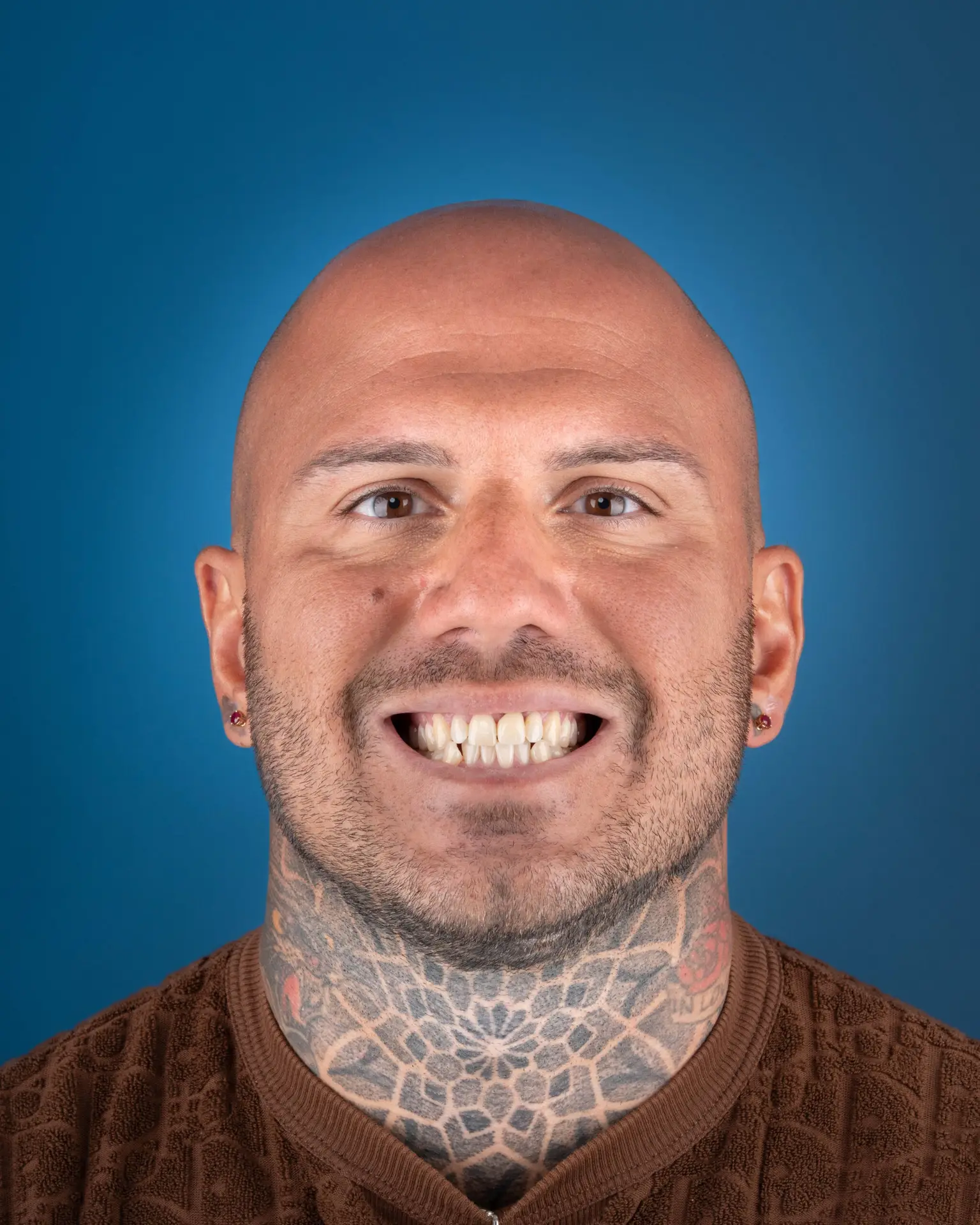
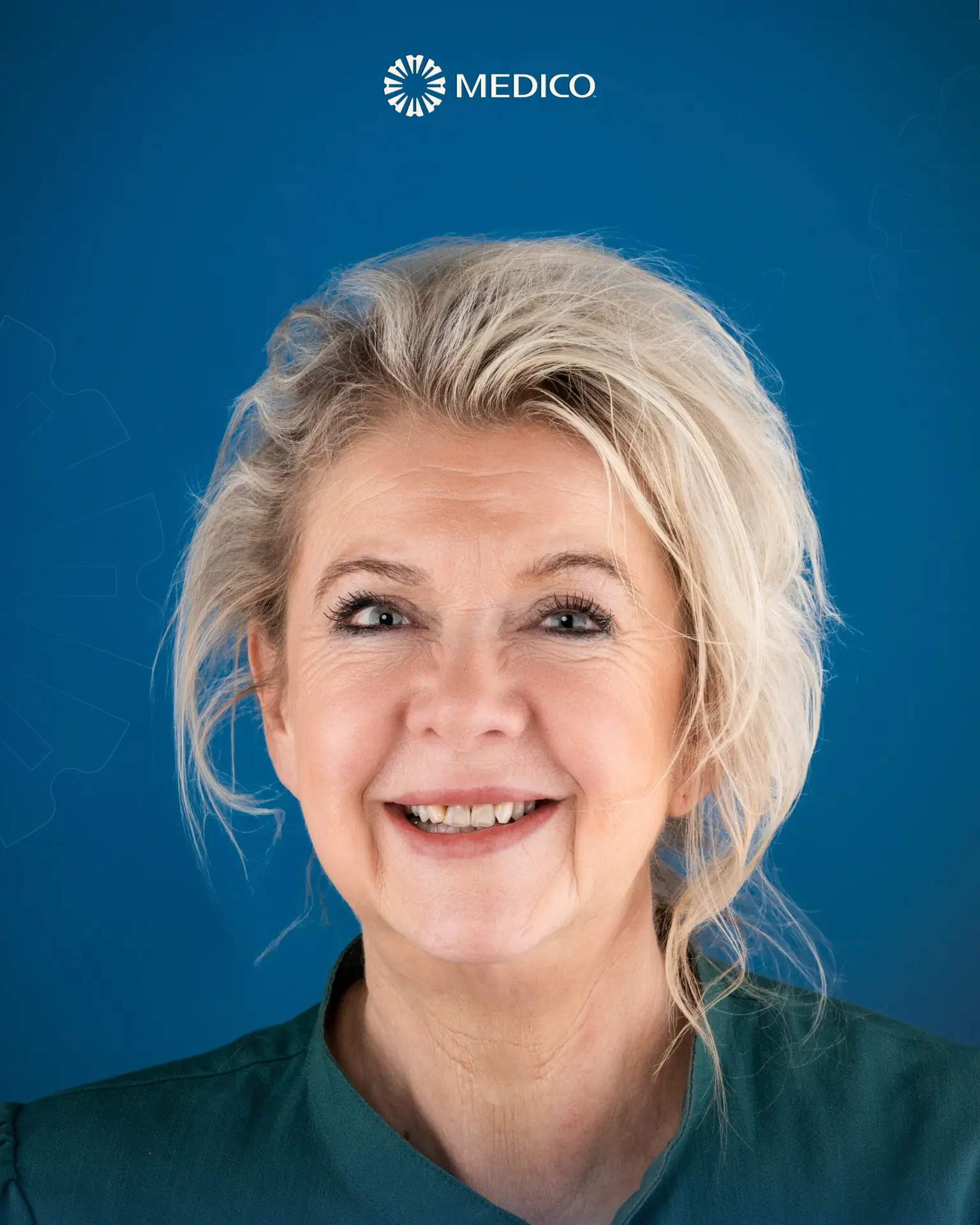
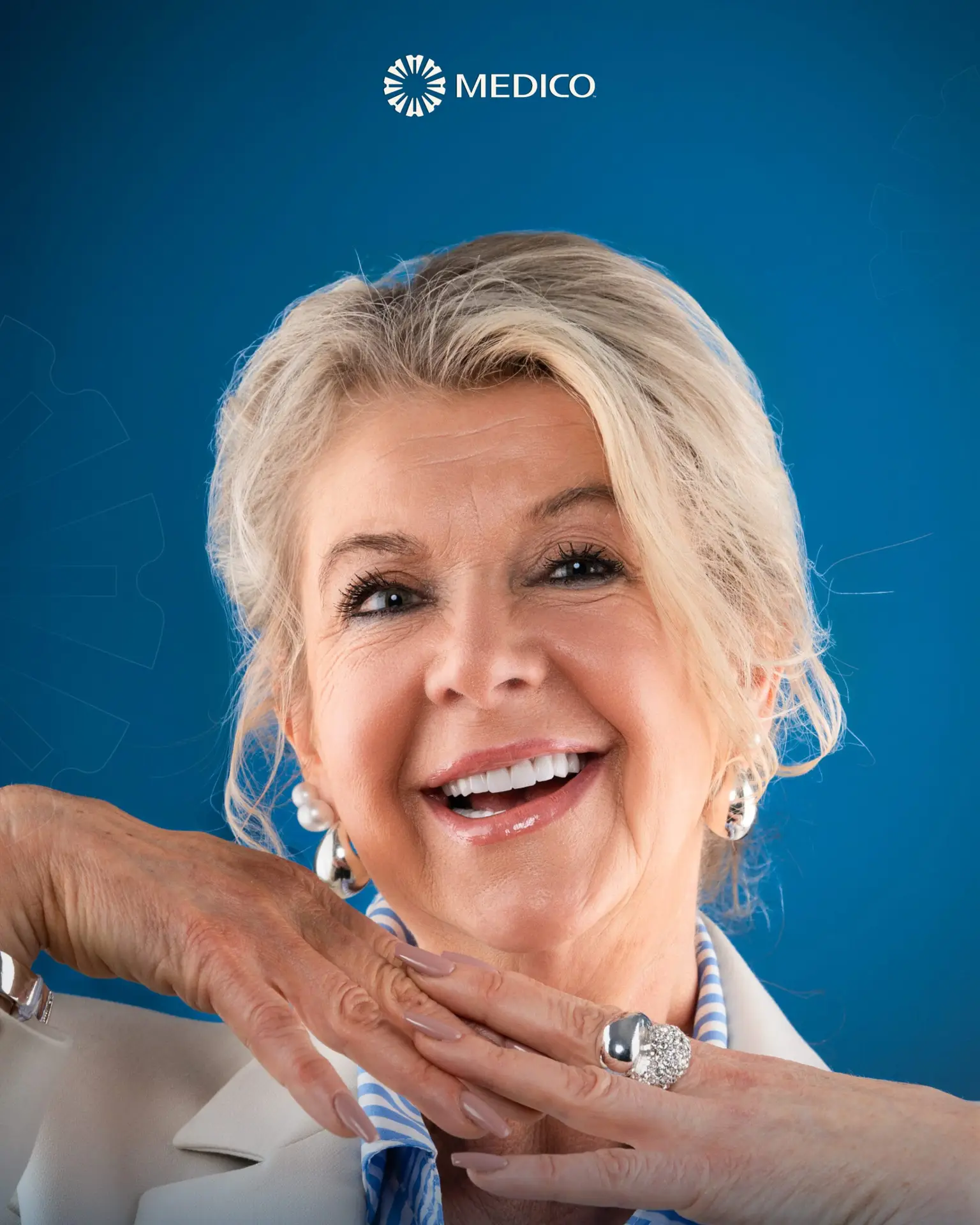
Fantastiska resultat som visar på livsförändrande påverkan



PATIENTRESA
Din Resa med Medico Clinic
Böja en noggrant utformad resa där din trivsel, säkerhet och tillfredsställelse kommer i första hand. Varje steg med Medico Clinic är utformat för att ge en upplevelse i världsklass, från en detaljerad online-konsultation till personlig behandling och dedikerad eftervård.

# 1 - Online-Konsultation
Inled resan med en detaljerad online-konsultation hemifrån. Vårt team av flerspråkiga medicinska konsulter finns här för att hjälpa dig och se till att språket aldrig är ett hinder för att förstå dina unika behov

#2 - Ankomst Och Transfer
Vid ankomsten till Turkiet får du ett varmt välkomnande av vårt professionella team, som hjälper dig att smidigt och säkert ta dig till boendet. Välj bland olika lyxiga hotell, noggrant utvalda för att ge den komfort och avkoppling du förtjänar.

#3 - Boende
Ditt boende har valts med din trivsel i åtanke, vilket ger en lugn och sofistikerad miljö för din vistelse. Varje hotell är utrustat med bekvämligheter som är utformade för att du ska känna dig trygg, så att du kan koppla av och återhämta dig.

#4 - Klinisk Konsultation
Våra tandläkare tar sig tid att förstå dina specifika mål och går igenom varje detalj i din skräddarsydda behandlingsplan. Med djupt engagemang för precision och omsorg finns de till hands för att svara på eventuella kvarstående frågor och se till att du är väl förberedd och bekväm med nästa steg.

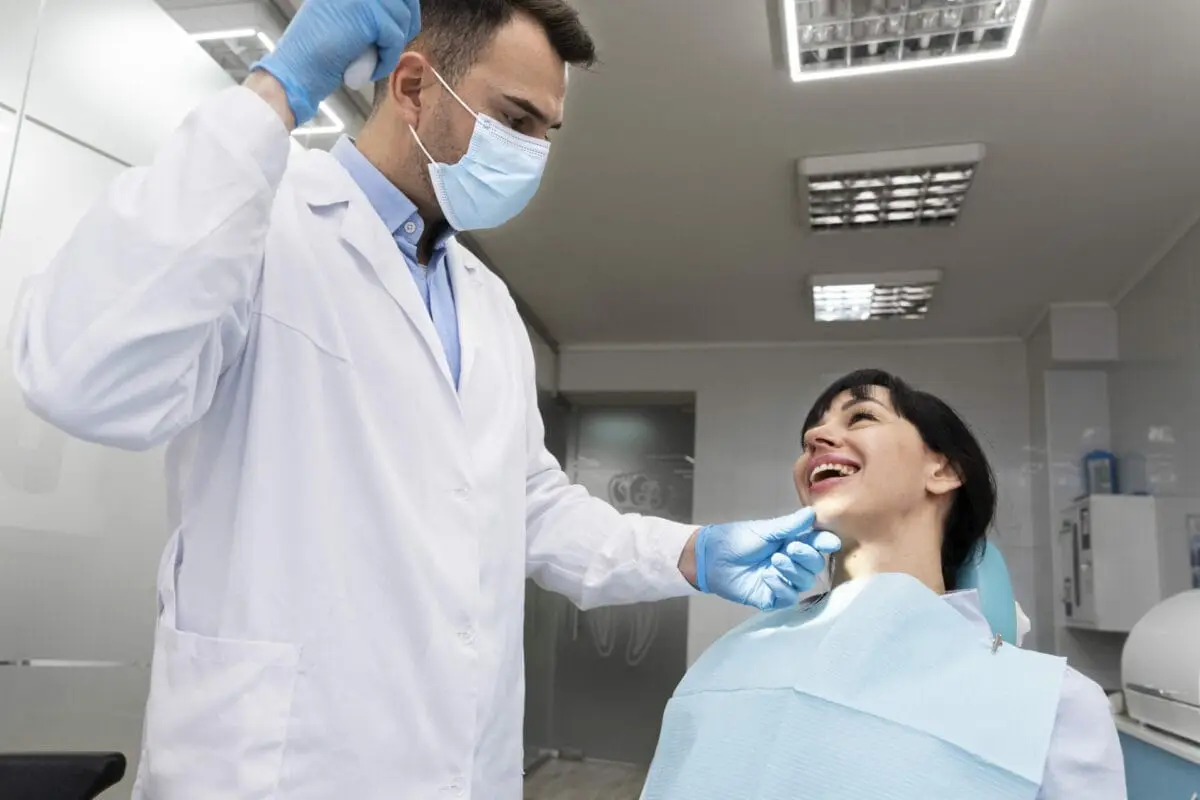
#5 - Behandling
Din behandling utförs av högkvalificerade kirurger och medicinsk personal som använder den senaste tekniken och avancerade kirurgiska tekniker för att säkerställa optimala resultat.
#6 - Efterkontroll
Efter behandlingen utför vårt team en grundlig efterkontroll, för att säkerställa att allt känns bra och att du är nöjd. Våra erfarna läkare övervakar noggrant utvecklingen och hanterar eventuella frågor eller funderingar.

#7- Avgång
När din resa avslutas kan du åka hem med en känsla av tillit, i vetskap om att din upplevelse leddes av proffs som vid varje steg prioriterar din omvårdnad och ditt välbefinnande. Medico Clinic har som målsättning att leverera en problemfri, exceptionell upplevelse, från den inledande konsultationen till den slutliga kontrollen.
KONTAKTA OSS
Få Din KOSTNADSFRIA Tandläkarrapport
Skicka in dina uppgifter och få en offert som är anpassad efter dina behov.
Vanliga Frågor
What you need to know about Porcelain Crowns
Find quick answers to common questions about our porcelain crowns , procedures, and patient care in our FAQ section.
Yes. Porcelain closely mimics the color and translucency of natural teeth.
They are durable for normal chewing, especially in front and premolar areas.
Porcelain is resistant to staining, though maintaining good oral hygiene is important.
The procedure is performed under local anesthesia and is generally comfortable.