
+28,000 Smiles and Counting — Istanbul 🇹🇷 | London 🇬🇧

Återfå ditt leende med tandimplantat som håller
Tandimplantat ger en permanent och naturligt utseende lösning för saknade tänder, så att du kan le, äta och tala med självförtroende. Eftersom de integreras sömlöst med ditt käkben ger våra implantat exceptionell stabilitet och hållbarhet - vilket ger en restaurering som känns och fungerar precis som dina naturliga tänder
Mer Prisvärt
0
%
Resultat Som Håller i åratal
0
+





Översikt och viktiga fördelar med tandimplantat
Dental Implants: Rebuilding the Foundation of Oral Health
For many patients, the moment they lose a tooth is not dramatic. There is often no pain once the extraction heals, and daily life continues. Eating adapts. Smiling adjusts. Conversations move on. Yet beneath this surface adaptation, the body begins a silent biological response that few people are ever told about.
The jawbone exists to support teeth. When a tooth root is no longer present, the bone beneath it no longer receives stimulation. Slowly, month by month, the bone begins to shrink. The gums follow. Adjacent teeth start to tilt. The bite subtly changes. What began as a single missing tooth can gradually influence the entire oral system.
Dental implants were developed to stop this chain reaction — not cosmetically, but biologically. They are not simply artificial teeth. They are medical devices designed to replace the function of a natural tooth root and restore balance to the oral structure.
At Medico Clinic, dental implant treatment is approached with this understanding: replacing a tooth means rebuilding a foundation, not filling a space.
What Actually Happens Inside the Jaw After Tooth Loss
To fully understand why dental implants matter, it is important to understand what happens inside the body after tooth loss. Bone is living tissue. It constantly adapts to pressure and use. When teeth transmit chewing forces into the jaw, bone remains dense and strong.
Once a tooth is lost, that stimulation disappears. The body interprets this area as no longer needed and begins resorbing the bone. This process is gradual and painless, which is why many patients are unaware of it until years later, when facial changes or functional problems become noticeable.
This bone loss can complicate future treatments. It can limit implant options. It can change facial proportions. In advanced cases, it can affect speech and chewing efficiency.
Dental implants intervene in this biological process by restoring mechanical stimulation. When an implant is placed and integrated, chewing forces once again travel into the bone. The body responds by maintaining bone density instead of resorbing it.
This is why implants are considered the only tooth replacement solution that actively preserves bone health.
Dental Implants as a Biological Solution, Not a Cosmetic One
Many dental treatments focus on appearance. Dental implants focus on function first. A crown, bridge, or denture may look acceptable, but if it does not replace the root, the biological consequences remain.
A dental implant is placed directly into the jawbone and becomes integrated with it through a natural process called osseointegration. This integration is not mechanical. Bone cells grow onto the implant surface and bond with it, making the implant part of the jaw structure.
Once this integration is complete, the implant behaves like a natural tooth root. It can support chewing forces, stabilize restorations, and maintain bone volume. Patients often describe the feeling not as having “something artificial”, but as having their tooth back.
The Emotional Side of Tooth Loss and Why Stability Matters
Beyond biology, tooth loss affects how people feel about themselves. Patients often adapt quietly, avoiding certain foods, smiling less freely, or becoming self-conscious in conversations. Over time, these adjustments can affect confidence and quality of life.
Dental implants restore more than physical function. They restore psychological security. Knowing that teeth are fixed, stable, and reliable removes constant awareness and anxiety. Eating becomes natural again. Speaking becomes effortless. Smiling becomes unguarded.
Many patients describe implant treatment as a turning point — not because of how their teeth look, but because they stop thinking about them altogether.
How Dental Implants Are Designed to Work With the Body
Dental implants are usually made from medical-grade titanium or advanced titanium alloys. This material is chosen because it is biocompatible, meaning the body does not recognize it as foreign. Instead of rejecting it, bone cells accept it.
The implant surface is engineered to encourage bone attachment. This surface structure plays a critical role in how quickly and securely the implant integrates. A well-integrated implant feels immovable, secure, and natural.
Once integrated, the implant can support different types of restorations depending on the patient’s needs: a single crown, a bridge, or a full-arch prosthesis.
Who Is a Good Candidate for Dental Implants — and Who Thinks They Aren’t
Many patients assume they are not candidates for dental implants because they were told they have bone loss, are older, or have had missing teeth for many years. In reality, modern implant dentistry has expanded eligibility dramatically.
Candidacy is determined not by assumptions, but by careful evaluation. Bone volume, bone density, gum health, bite forces, and overall medical history all play a role.
At Medico Clinic, candidacy is assessed through advanced imaging and detailed examination. In many cases, preparatory procedures such as bone grafting or sinus lifting can create the conditions needed for successful implant placement.
What matters most is not where a patient starts, but how carefully the treatment is planned.
Single Tooth Dental Implants: Small Problem, Big Impact
Replacing a single missing tooth with a dental implant may seem excessive to some patients. However, from a biological perspective, it is often the most conservative and protective option.
Without replacement, neighboring teeth drift. Bone resorbs. Bite balance changes. Over time, these changes can lead to more extensive treatment needs.
A single implant restores spacing, preserves bone, and protects surrounding teeth. The crown placed on top is custom-designed to match natural teeth in shape, color, and translucency.
The result is not just a replacement tooth, but restored balance.
Multiple Missing Teeth and Implant-Supported Bridges
When multiple teeth are missing, implants allow restoration without relying on remaining natural teeth for support. Traditional bridges require grinding down healthy teeth, weakening them permanently.
Implant-supported bridges avoid this. Implants act as independent anchors, distributing chewing forces evenly into the jawbone. This improves comfort, stability, and longevity.
Patients often notice a significant difference compared to removable options. Eating becomes easier. Speech improves. Confidence returns.
Full-Mouth Dental Implants: Rebuilding an Entire System
For patients with extensive tooth loss, full-mouth dental implant solutions represent one of the most transformative treatments in dentistry. These treatments do not simply replace teeth; they rebuild the entire oral system.
Techniques such as full-arch implant restorations use strategically placed implants to support a fixed set of teeth. This restores chewing function, facial support, and speech clarity.
Patients who have lived with dentures for years often describe full-mouth implants as life-changing. Foods return. Social confidence returns. Daily comfort improves dramatically.
These treatments require meticulous planning, precise execution, and long-term thinking — which is why experience and implant quality matter greatly.
Planning: Where Successful Implant Treatment Truly Begins
Implant surgery is only one part of treatment. The most critical phase happens before surgery begins. Planning determines implant position, angulation, depth, and prosthetic design.
Advanced imaging allows dentists to visualize bone anatomy, nerve pathways, and sinus structures. This information ensures implants are placed safely and in positions that support long-term function.
At Medico Clinic, planning is never rushed. Every implant is placed with a clear understanding of how it will function years into the future, not just how it will look immediately after placement.
The Surgical Experience: What Patients Actually Feel
Many patients fear implant surgery more than they need to. In reality, implant placement is often less uncomfortable than tooth extraction. The procedure is performed under local anesthesia, and patients remain comfortable throughout.
Post-operative discomfort is usually mild and temporary. Most patients return to normal activities within a short period, following simple aftercare instructions.
Clear communication before and after surgery plays a major role in patient comfort and confidence.
Healing and Osseointegration: A Process That Takes Time — and Why That’s Good
Healing after implant placement is not rushed. Osseointegration is a biological process that requires time. Bone cells need to grow, adapt, and stabilize around the implant.
This healing phase is essential for long-term success. During this time, temporary restorations may be used to maintain appearance and function.
Once integration is complete, the implant is ready to support its final restoration.
Life With Dental Implants: The Return to Normal
After healing, most patients describe dental implants as “forgettable” — in the best possible way. They do not move. They do not cause discomfort. They do not require special care.
Brushing, flossing, and routine check-ups are sufficient. Eating feels natural again. Smiling feels effortless.
This return to normalcy is what makes implants so valuable.
Dental Implants and Long-Term Aging
As people age, maintaining oral function becomes critical for nutrition and overall health. Dental implants provide stability that does not decline over time the way dentures often do.
Because implants preserve bone, they help maintain facial structure and oral strength well into later years. This makes them an excellent long-term solution for patients thinking ahead.
Why International Patients Choose Dental Implants in Turkey
Turkey has become a leading destination for dental implant treatment due to advanced clinics, experienced clinicians, and comprehensive care. However, quality depends on planning, transparency, and long-term responsibility.
At Medico Clinic, international patients receive structured treatment planning, clear explanations, and long-term guidance — not rushed procedures.
Why Medico Clinic Approaches Implants Differently
Dental implants are not a product. They are a medical treatment with lifelong implications. At Medico Clinic, implant dentistry is approached with respect for biology, precision, and patient trust.
Every decision is guided by long-term health, not short-term outcomes.
A Decision That Shapes Decades
Choosing dental implants is not simply about fixing what is missing today. It is about protecting what remains for the future.
When planned and performed correctly, dental implants restore balance, stability, and confidence that can last a lifetime.
Boka din kostnadsfria onlinekonsultation idag. and take the next step toward informed, responsible dental implant care at Medico Clinic.
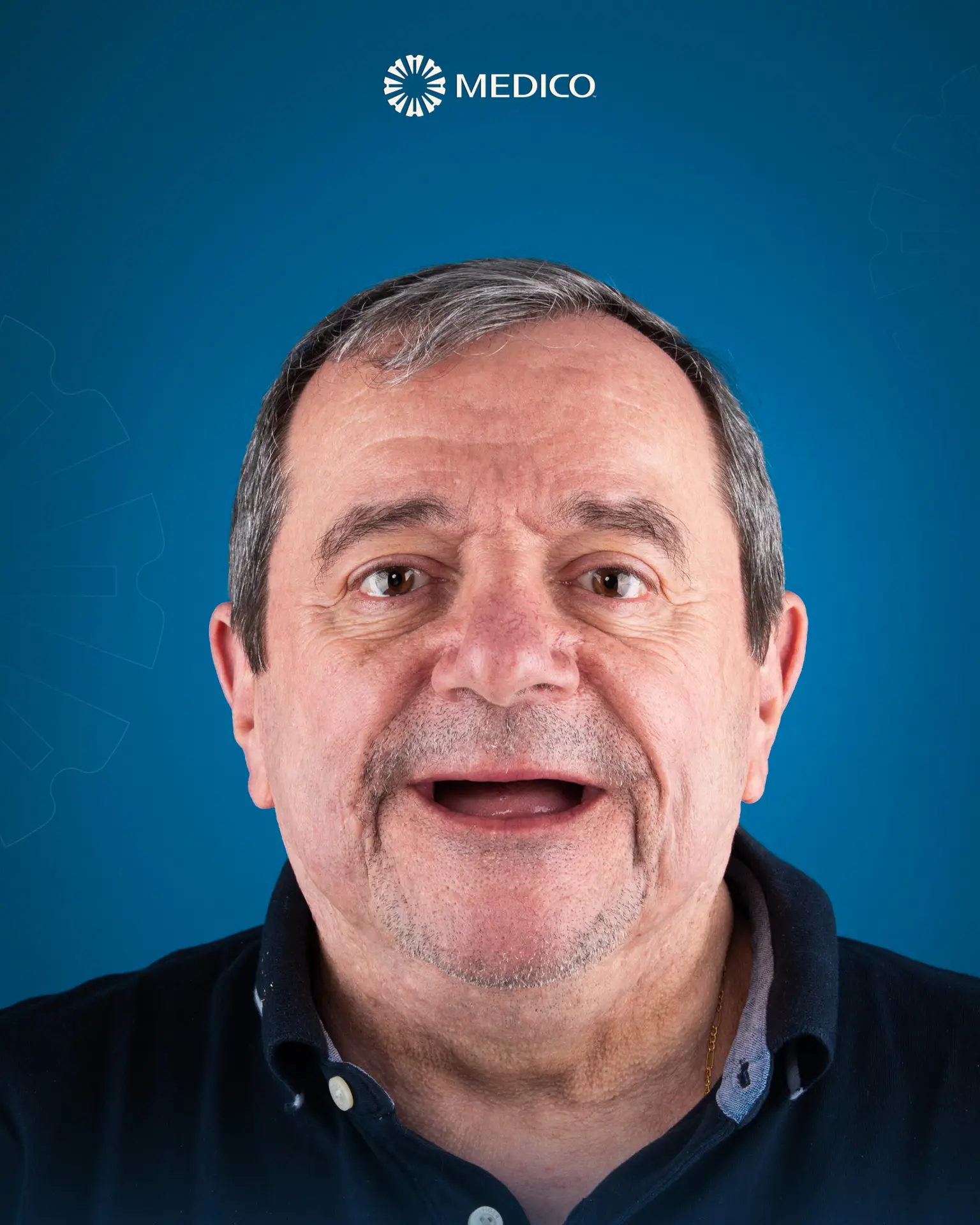
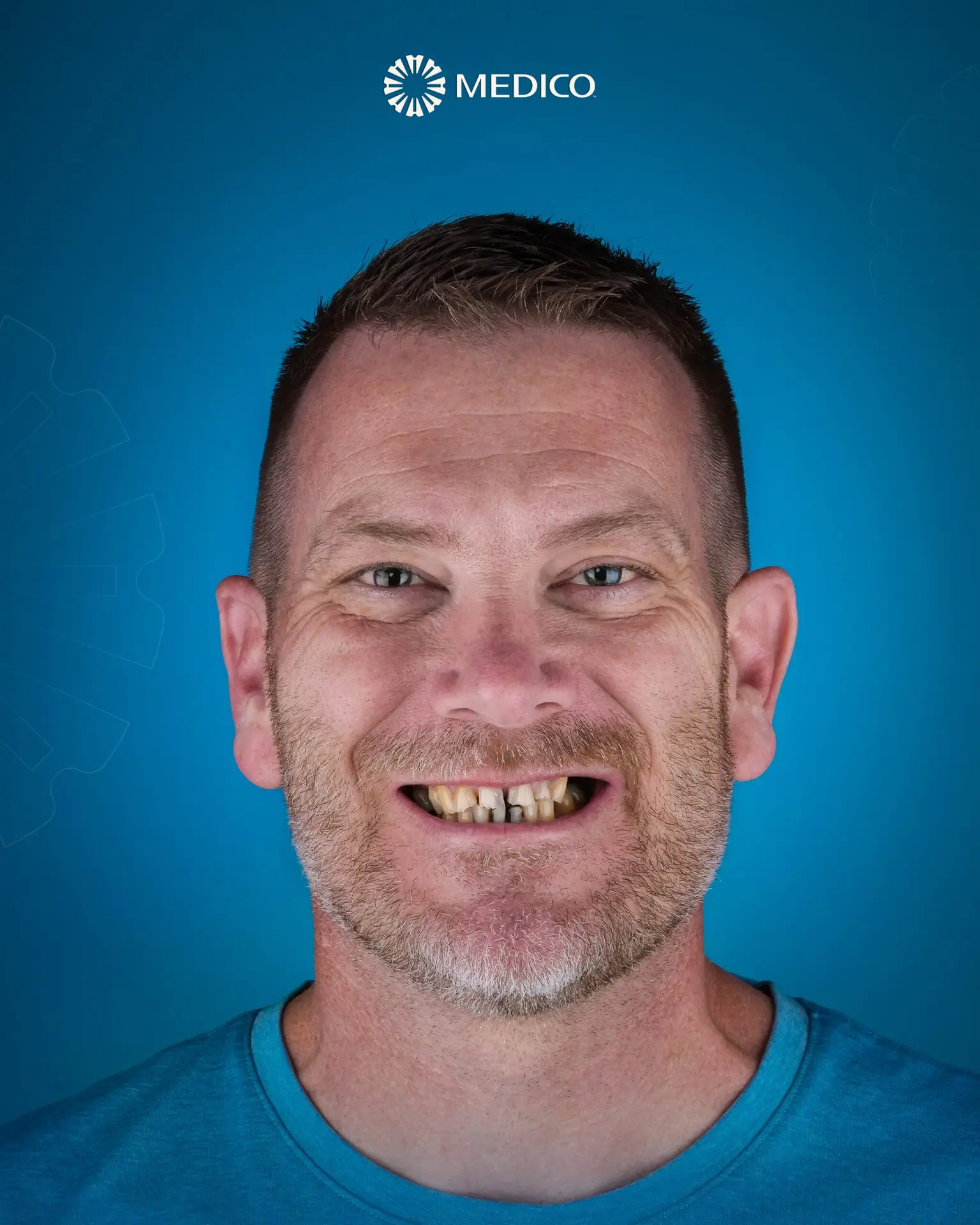
SE TRANSFORMATIONEN
Fantastiska resultat som visar på livsförändrande påverkan




PATIENTRESA
Din Resa med Medico Clinic
Följ med på en noggrant utformad resa där din komfort, säkerhet och tillfredsställelse kommer i första hand. Från en detaljerad onlinekonsultation till personlig behandling och dedikerad eftervård, vi utformar noggrant varje steg för att ge dig en upplevelse i världsklass.

# 1 - Online-Konsultation
Inled resan med en detaljerad online-konsultation hemifrån. Vårt team av flerspråkiga medicinska konsulter finns här för att hjälpa dig och se till att språket aldrig är ett hinder för att förstå dina unika behov

#2 - Ankomst Och Transfer
Vid ankomsten till Turkiet får du ett varmt välkomnande av vårt professionella team, som hjälper dig att smidigt och säkert ta dig till boendet. Välj bland olika lyxiga hotell, noggrant utvalda för att ge den komfort och avkoppling du förtjänar.

#3 - Boende
Ditt boende har valts med din trivsel i åtanke, vilket ger en lugn och sofistikerad miljö för din vistelse. Varje hotell är utrustat med bekvämligheter som är utformade för att du ska känna dig trygg, så att du kan koppla av och återhämta dig.
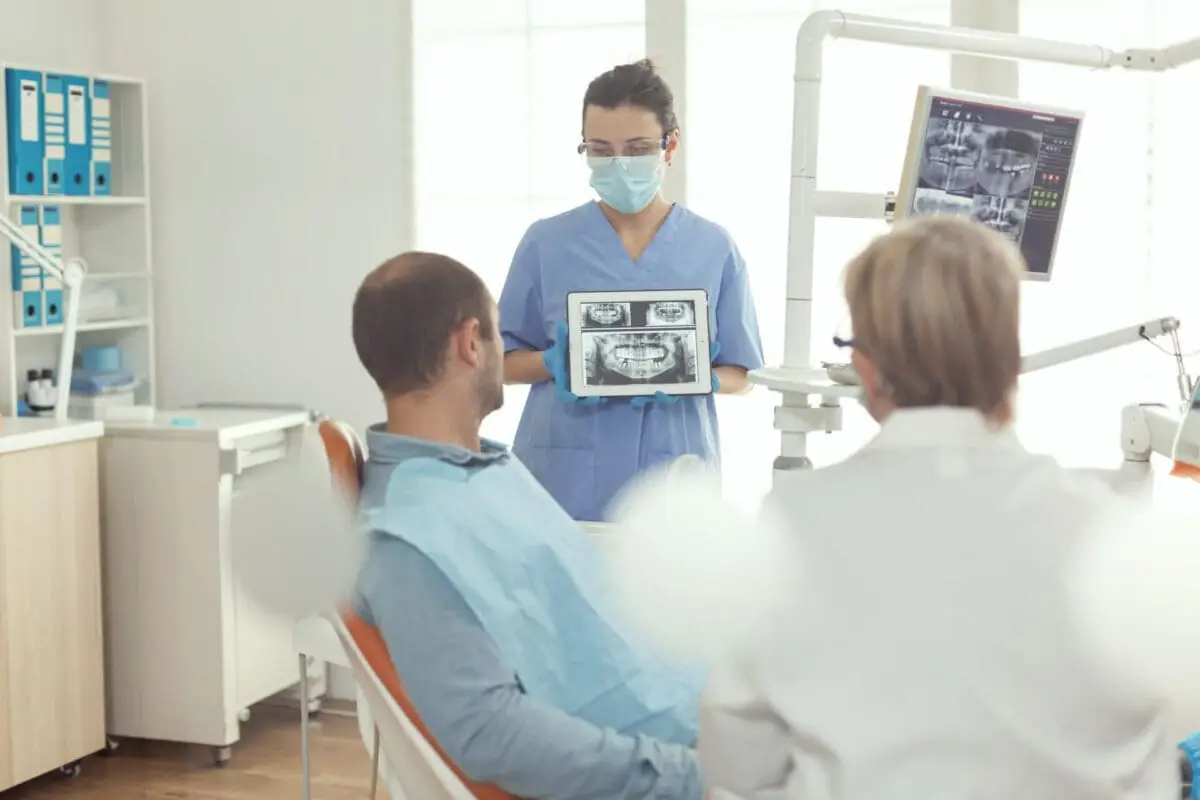
#4 - Klinisk Konsultation
Våra tandläkare tar sig tid att förstå dina specifika mål och går igenom varje detalj i din skräddarsydda behandlingsplan. Med djupt engagemang för precision och omsorg finns de till hands för att svara på eventuella kvarstående frågor och se till att du är väl förberedd och bekväm med nästa steg.
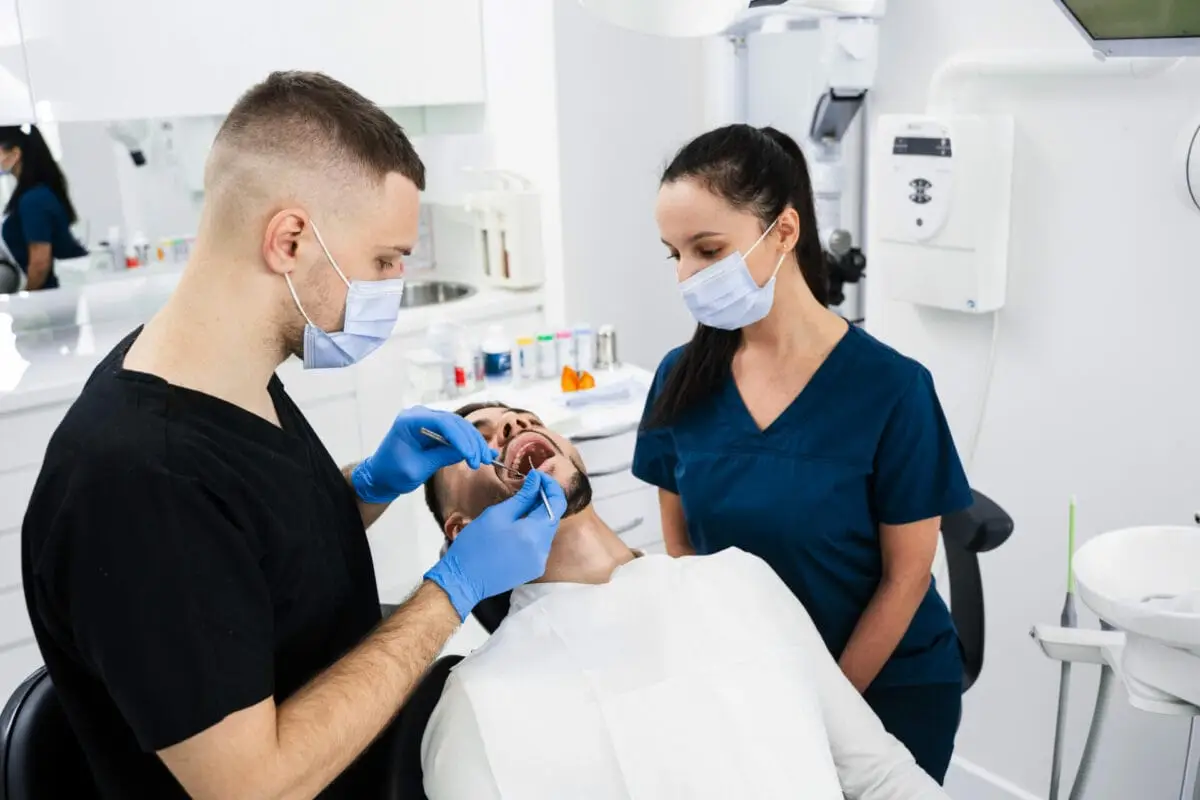
#5 - Behandling
Din behandling utförs av högkvalificerade kirurger och medicinsk personal som använder den senaste tekniken och avancerade kirurgiska tekniker för att säkerställa optimala resultat.
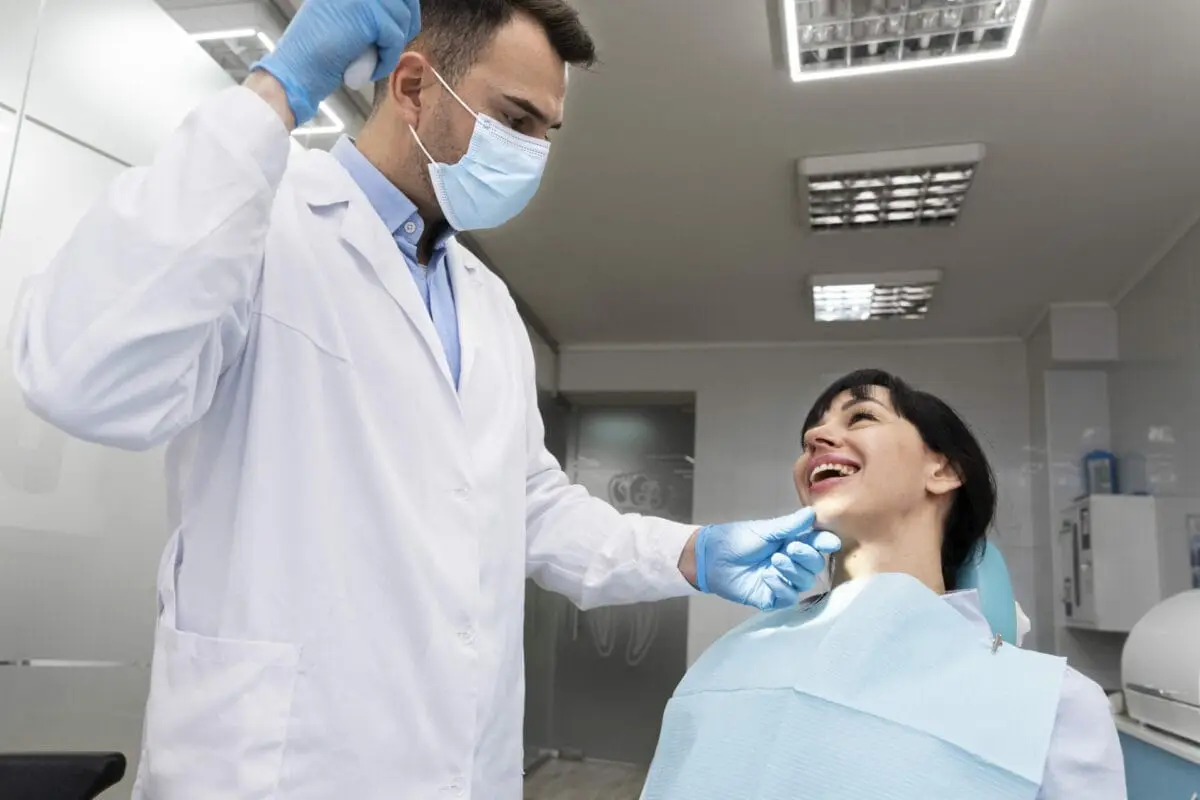
#6 - Efterkontroll
Efter behandlingen utför vårt team en grundlig efterkontroll, för att säkerställa att allt känns bra och att du är nöjd. Våra erfarna läkare övervakar noggrant utvecklingen och hanterar eventuella frågor eller funderingar.

#7- Avgång
När din resa avslutas kan du åka hem med en känsla av tillit, i vetskap om att din upplevelse leddes av proffs som vid varje steg prioriterar din omvårdnad och ditt välbefinnande. Medico Clinic har som målsättning att leverera en problemfri, exceptionell upplevelse, från den inledande konsultationen till den slutliga kontrollen.
IMPLANTATENS VARUMÄRKEN
Pålitliga varumärken och exceptionella besparingar!





KONTAKTA OSS
Få Din KOSTNADSFRIA Tandläkarrapport
Skicka in dina uppgifter och få en offert som är anpassad efter dina behov.
Vanliga Frågor
Allt du behöver veta om tandimplantat
Hitta snabba svar på vanliga frågor om våra tandimplantat, procedurer och patientvård i vår FAQ-sektion.
Tandimplantat är utformade för att vara en långvarig lösning. Med rätt skötsel och regelbundna tandläkarbesök kan de hålla hela livet, vilket gör dem till ett mycket hållbart alternativ för tandersättning.
Implantatoperationen utförs under lokalbedövning, så du kommer inte att känna någon smärta under ingreppet. Ett visst obehag kan uppstå, men det är hanterbart med medicinering och avtar inom några dagar.
I allmänhet kan alla med friskt tandkött och tillräckligt med käkben vara kandidater för tandimplantat. En grundlig konsultation och utvärdering är dock nödvändig för att säkerställa att behandlingen passar dina unika behov.
Processen kan ta flera månader, eftersom den omfattar steg som inledande konsultation, implantatplacering, läkning (för osseointegration) och slutlig kronplacering. Detta säkerställer att implantatet är helt integrerat och stabilt innan behandlingen slutförs.
Att ta hand om tandimplantat är lika enkelt som att ta hand om naturliga tänder. Regelbunden tandborstning, tandtråd och rutinmässiga tandläkarkontroller är allt som behövs för att hålla dina implantat i optimalt skick.