
+28,000 Smiles and Counting — Istanbul 🇹🇷 | London 🇬🇧

Gummy Smile Correction: Laser vs Surgical Options Explained
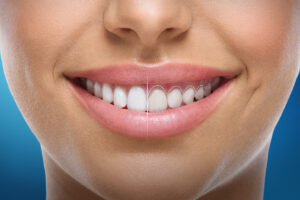
A “gummy smile,” clinically known as excessive gingival display, occurs when a significant portion of gum tissue is visible when smiling. While this condition is often harmless from a medical standpoint, it can strongly affect confidence and facial aesthetics. In 2026, gummy smile correction is more precise and predictable than ever before. However, choosing between laser treatment and surgical correction depends entirely on the underlying cause.
Not every gummy smile requires surgery, and not every case can be treated with a simple laser procedure. Proper diagnosis is what determines the safest and most effective approach.
What Causes a Gummy Smile?
Before discussing treatment, it is essential to understand why excessive gum display happens. A gummy smile may result from several anatomical factors, including excess gum tissue covering the teeth, short clinical crowns, altered passive eruption, vertical maxillary excess (an overgrown upper jaw), or hyperactive upper lip movement.
Because these causes differ significantly, treatment must be tailored accordingly. Treating the wrong cause with the wrong technique can lead to unsatisfactory results or recurrence.
When Laser Gum Contouring Is Appropriate
Laser gum contouring is often the preferred option when the gummy smile is caused primarily by excess soft tissue covering otherwise normal tooth structure. In these cases, the teeth may appear short, but the underlying enamel length is sufficient.
Laser technology allows precise removal and reshaping of superficial gum tissue. The procedure is minimally invasive and typically performed under local anesthesia. Because lasers seal small blood vessels during treatment, bleeding is reduced and healing is often faster compared to traditional techniques.
This approach is ideal when the correction is limited to soft tissue and when bone levels do not need adjustment. Recovery is generally comfortable, and patients can often resume normal activities quickly.
Limitations of Laser Treatment
Although laser contouring is effective for soft tissue reshaping, it cannot correct deeper structural issues. If the bone surrounding the teeth is positioned too high, simply removing gum tissue may lead to unstable results or gum regrowth over time.
Furthermore, if the gummy smile is related to skeletal discrepancies or lip dynamics, laser treatment alone will not address the root cause. In these cases, a more comprehensive surgical approach may be necessary.
Surgical Crown Lengthening Explained
When the gummy smile is associated with altered passive eruption or excessive bone covering the tooth structure, surgical crown lengthening is often recommended. This procedure involves carefully reshaping both gum tissue and the underlying bone to expose more of the natural tooth surface.
Unlike simple laser contouring, crown lengthening is a more structured surgical procedure. It ensures that the new gum position is stable and biologically compatible with long-term periodontal health. Although healing may take longer than laser treatment, the results are typically more predictable in complex cases.
In 2026, digital planning and precise imaging allow clinicians to measure biological width and bone levels accurately before performing surgery, which significantly improves outcome predictability.
When Orthognathic Surgery May Be Necessary
In rare but significant cases, a gummy smile results from vertical maxillary excess, meaning the upper jaw has grown excessively downward. In such situations, soft tissue correction alone is insufficient. Orthognathic (jaw) surgery may be required to reposition the jaw properly.
This type of intervention is reserved for severe skeletal cases and is carefully planned with multidisciplinary collaboration. While more invasive, it provides definitive correction when indicated.
Comparing Laser and Surgical Approaches
Laser contouring is best suited for mild cases involving excess soft tissue without bone involvement. It offers faster recovery and minimal discomfort. On the other hand, surgical crown lengthening addresses both gum and bone, making it more appropriate for cases where structural correction is required.
The key difference lies in depth. Laser treatment modifies surface tissue, while surgical crown lengthening adjusts the underlying architecture to create long-term stability.
Both techniques are safe when performed under regulated clinical standards, following guidelines overseen by authorities such as the U.S. Food and Drug Administration.
Recovery Expectations
Recovery varies depending on the procedure. Laser treatments typically involve mild swelling and minimal downtime. Surgical crown lengthening may require a longer healing phase, especially before placing final restorations such as veneers or crowns.
Patients are advised to follow post-operative instructions carefully to support optimal healing and tissue stability.
The Importance of Proper Diagnosis
One of the most common mistakes in gummy smile treatment is choosing a method based solely on convenience rather than diagnosis. Advanced clinics in 2026 rely on:
Clinical examination
Digital smile analysis
CBCT imaging when necessary
Lip movement assessment
Accurate diagnosis ensures that the correction is both aesthetic and biologically stable.
Can Gummy Smile Correction Improve More Than Appearance?
Although many patients seek treatment for cosmetic reasons, correcting excessive gum tissue can also improve oral hygiene accessibility and reduce areas prone to plaque accumulation. When gum levels are properly balanced, teeth are easier to clean and maintain.
In this way, aesthetic improvement and periodontal health often go hand in hand.
Final Perspective: The Right Technique Depends on the Cause
Gummy smile correction is not about choosing the newest technology—it is about identifying the true anatomical cause and selecting the appropriate intervention. Laser treatment offers a minimally invasive solution for mild soft tissue excess, while surgical options provide stable correction for deeper structural issues.
In 2026, successful smile enhancement depends on careful planning, biological respect, and individualized treatment—not one-size-fits-all solutions.
Considering Gummy Smile Correction?
If you feel that excessive gum display affects your confidence and would like to explore correction options, a detailed evaluation is the first step.
At Medico Clinic, we assess gum levels, bone structure, and facial balance before recommending laser or surgical treatment.
You can fill out the consultation form on our website for a personalized smile analysis, or contact us directly via WhatsApp to share photos and receive professional guidance.
Your smile should reflect harmony between teeth, gums, and facial structure. Let’s design the solution that fits your anatomy safely and predictably