
+28,000 Smiles and Counting — Istanbul 🇹🇷 | London 🇬🇧

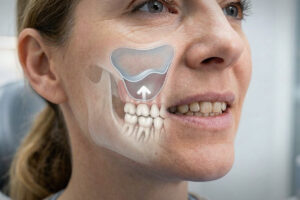
Sinus Lift Surgery Demystified: Internal vs External Techniques Explained
Dental implants placed in the upper back jaw present a unique anatomical challenge: limited bone height beneath the maxillary sinus. When bone volume is insufficient, attempting implant placement without preparation can risk implant failure or sinus complications. Sinus lift surgery exists to restore vertical bone height safely, making implant placement possible where it would otherwise be contraindicated.
In 2026, sinus lift procedures are predictable, well-documented, and tailored to individual anatomy. Understanding the difference between internal and external sinus lift techniques helps patients make informed decisions based on medical necessity—not fear or assumptions.
Why Sinus Lift Surgery Is Sometimes Required
After tooth loss in the upper posterior jaw, two biological processes occur simultaneously:
The jawbone resorbs due to lack of stimulation
The maxillary sinus gradually expands downward
This reduces available bone height for implant placement. When remaining bone is insufficient to secure an implant safely, sinus lift surgery becomes medically necessary.
What Is a Sinus Lift?
A sinus lift (sinus augmentation) is a surgical procedure that:
Gently elevates the sinus membrane
Creates space between the membrane and jawbone
Places bone graft material to promote new bone growth
The objective is not to alter sinus function, but to restore structural support for dental implants.
Internal vs External Sinus Lift: The Core Difference
The distinction between internal and external sinus lift techniques lies in:
How much bone height is available
How the sinus membrane is accessed
Whether implant placement occurs simultaneously
Both techniques are safe when applied correctly.
Internal Sinus Lift (Crestal Approach)
When Is an Internal Sinus Lift Used?
Internal sinus lift surgery is recommended when:
Residual bone height is moderately reduced
Typically 5–8 mm of bone is present
Implant placement can occur at the same time
This approach is considered less invasive and is often performed during implant surgery.
How the Internal Technique Works
The implant site is prepared through the existing bone
Specialized instruments gently elevate the sinus membrane from below
A small amount of bone graft material is inserted
The dental implant is placed immediately
This technique relies heavily on precision and tactile control.
Advantages of Internal Sinus Lift
Minimally invasive
Shorter healing time
Reduced post-operative discomfort
Single surgical appointment
Limitations of Internal Sinus Lift
Limited vertical bone gain
Not suitable for severe bone loss
Requires adequate primary implant stability
When bone height is too low, this approach is unsafe.
External Sinus Lift (Lateral Window Approach)
When Is an External Sinus Lift Necessary?
External sinus lift surgery is indicated when:
Bone height is severely reduced
Typically less than 4–5 mm remains
Greater vertical augmentation is required
This technique allows controlled access to the sinus cavity.
How the External Technique Works
A small window is created in the lateral jawbone
The sinus membrane is carefully elevated
Bone graft material is placed in the created space
Implants may be placed immediately or after healing
The decision to place implants simultaneously depends on stability and bone quality.
Advantages of External Sinus Lift
Allows significant bone height restoration
Suitable for advanced bone loss
High long-term success rates
Considerations and Recovery
Slightly longer healing period
More surgical steps
Requires experienced surgical planning
Despite being more invasive, the procedure remains highly predictable in expert hands.
Internal vs External Sinus Lift: Side-by-Side Comparison
| عامل | Internal Sinus Lift | External Sinus Lift |
|---|---|---|
| Bone height required | متوسطة إلى عالية | Very limited |
| Invasiveness | Low | متوسطة إلى عالية |
| Implant placement | Same day | Same day or delayed |
| Bone gain | محدود | Significant |
| Healing time | أقصر | أطول |
Graft Materials Used in Sinus Lift Surgery
Both techniques may use:
Autogenous bone
Allograft (donor bone)
Xenograft (animal-derived)
Synthetic bone substitutes
Material selection depends on:
Volume required
Healing timeline
Patient-specific factors
All materials used comply with international medical device regulations overseen by organizations such as the U.S. Food and Drug Administration.
Safety and Risk Management in 2026
Modern sinus lift surgery benefits from:
CBCT-based 3D imaging
Improved surgical instruments
Refined membrane elevation techniques
The most common complication—sinus membrane perforation—is rare and manageable when detected early.
Importantly, sinus lift surgery does not affect breathing or sinus function عندما يتم إجراؤها بشكل صحيح.
Who Is a Good Candidate for Sinus Lift Surgery?
Sinus lift procedures are suitable for patients who:
Have missing upper molars or premolars
Exhibit vertical bone deficiency
Are in good general health
Follow post-operative care instructions
Smoking and untreated sinus conditions may require additional evaluation.
Sinus Lift Surgery and Dental Tourism
For international patients, advanced clinics plan sinus lift procedures carefully to:
Coordinate with travel schedules
Minimize the number of visits
Ensure safe healing before return travel
Clear communication and staging are essential.
Final Medical Perspective: Technique Follows Anatomy
Sinus lift surgery is not a one-size-fits-all procedure.
In 2026, the choice between internal and external sinus lift techniques is guided by bone anatomy, implant goals, and biological safety, not preference or speed. When the correct approach is selected, sinus augmentation becomes a predictable step toward long-term implant success.
Get a Personalized Sinus Evaluation Before Implant Treatment
If you are considering dental implants in the upper jaw and have been told you may need a sinus lift, proper evaluation is essential.
Fill out the consultation form on our website for a detailed implant and sinus assessment
Or contact us directly via WhatsApp to share your scans and receive expert guidance
👉 Safe implants require adequate bone support.
Reach out today to determine which sinus lift technique is appropriate for your case and plan your treatment with confidence.